

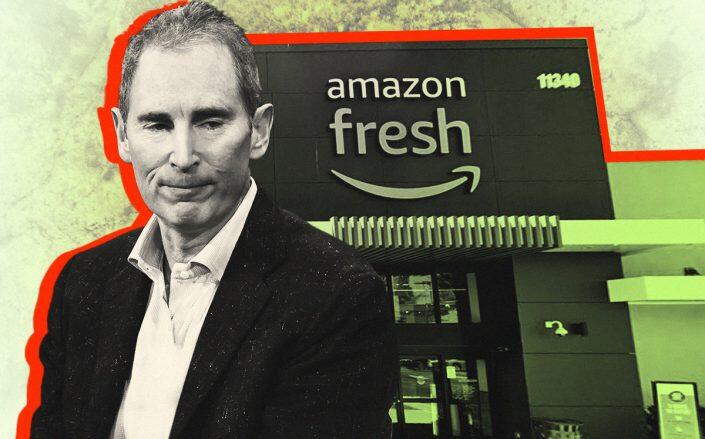
Amazon is pushing further into brick-and-mortar retail, winning local approval to build its largest store format to date in suburban Chicago — a move that could reset expectations for how the e-commerce giant uses physical space to compete with Walmart and Target.
The village board of trustees in Orland Park voted 5-to-2 on Monday to approve Amazon’s plans for a massive store at the southwest corner of 159th Street and LaGrange Road. CoStar reported that the decision clears the way for a 229,000-square-foot building on a 35-acre site, following an earlier signoff from the village’s plan commission.
The store would be Amazon’s biggest physical retail concept so far, blending traditional big-box merchandising with a small warehouse component to support on-site operations. Plans call for a broad assortment of goods, including groceries and household staples, positioning the store squarely against established big-box rivals.
Orland Park officials publicly unveiled Amazon’s proposal earlier in January, and the outlet reported that the project is expected to draw close scrutiny from both competitors and retail real estate players, as one of the world’s largest companies experiments with a sprawling, warehouse-sized storefront.
The site sits about 25 miles southwest of the Loop, in a heavily trafficked retail corridor near Orland Square mall. Nearby anchors include Costco, Aldi, Jewel-Osco, a Walmart Supercenter and Target — a lineup that shows how directly Amazon is stepping into the suburban big-box battlefield, according to the publication.
Amazon did not respond to a request for comment on a construction timeline or when the store might open.
The approval marks another chapter in Amazon’s uneven but persistent push into physical retail. Since acquiring Whole Foods Market in 2017, the Seattle-based company has tested a rotating cast of store concepts nationwide, including Amazon Fresh, Amazon Grocery and cashierless Amazon Go locations. Other experiments — Amazon Books, Amazon 4-star and Pop Up stores — have been shuttered as the company refined its approach.
— Eric Weilbacher
Read more
Development
National
Amazon scraps plans for big-box store

Commercial
New York
Amazon opens new brick-and-mortar concept store in Soho
Commercial
Los Angeles
Amazon to open a tech-driven clothing store in Americana at Brand
Commercial
Tri-State
Amazon store paying its rent, but landlord Pyramid sues anyway