The City of Vernon, the industrial heart of Los Angeles County, has only 222 residents. A new plan could add nearly 900 more.
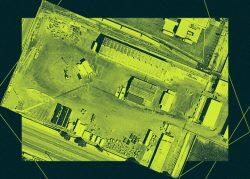
The 5.2-square-mile city known for its heavy industry and rendering plants southeast of Downtown Los Angeles plans to rezone its westside for new housing, offices and retail, Urbanize Los Angeles reported.
Its Westside Specific Plan, which began its environmental review one year ago, has responded to a state demand for more housing and a changing real estate market.
Vernon was established in 1905 to promote the development of local railroads, and became the first exclusively industrial city in the southwestern U.S. It’s now host to 1,800 businesses, according to its website.

That could change with a proposed series of mixed-use apartments.
The plan calls for redeveloping 840 acres along Alameda Street, Santa Fe Avenue and portions of Pacific Boulevard in response to state-mandated housing goals.
While the state allocates only nine new homes as part of its 2021-2029 housing element, the city wants to build housing and other nonindustrial developments in four clusters on the west side of town. The area sits next to Los Angeles and Huntington Park, just east of Metro A Line stops at Slauson and Vernon avenues and a future stop on the West Santa Ana Branch.
The westside of Vernon is now home to 13 residents, 7,000 square feet of commercial space and nearly 15 million square feet of industrial space.
By 2040, the proposed rezoning is expected to allow construction of 874 homes, 360,400 square feet of offices and research labs, and 253,000 square feet of shops and restaurants.
The redevelopment could add 120,000 square feet of commercial space to Vernon’s inventory, while reducing its industrial base by 575,000 square feet. The city has about 15 million square feet of industrial space.
The specific plan, designed by Culver City-based LOHA, targets four clusters of buildings within the 840 acre area for potential redevelopment.
It would allow maximum heights between three and five stories for apartments, live/work housing, shops, restaurants, media production, light industrial facilities, markets and galleries.
— Dana Bartholomew
Read more