

As the impacts of Measure ULA continue to impact Los Angeles real estate, new strategies to avoid the property transfer tax are emerging — including luxury homeowners choosing extensive remodels over selling. While this can mean more business for contractors, brokers are feeling clients’ hesitancy to ink deals.
Oren Levy — founder of Gesh Group, a luxury homebuilder that also remodels existing single-family assets — has seen this play out.
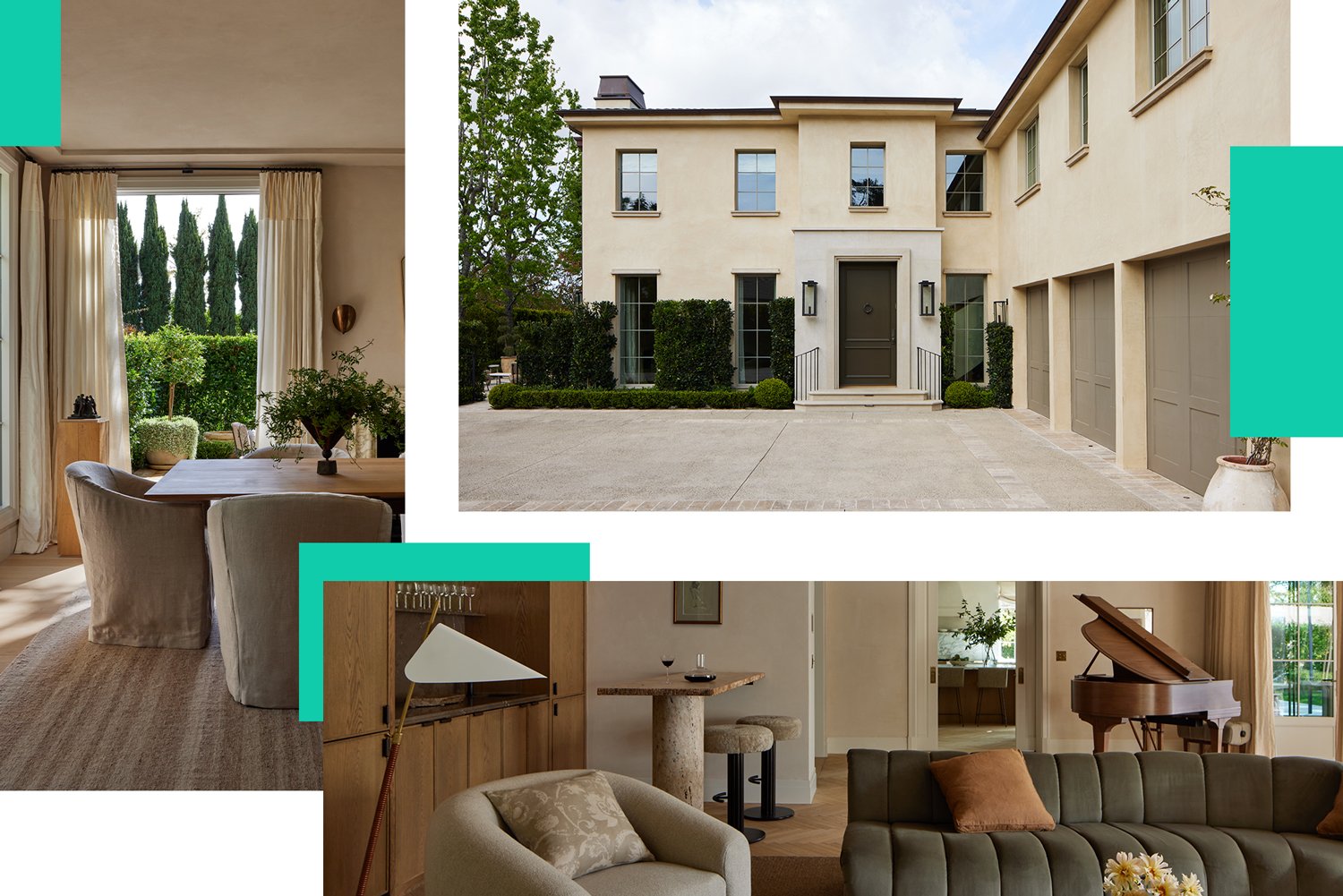
Prior to Measure ULA going into effect, Levy said his firm’s projects were about 80 percent new development and 20 percent remodels. Now, that’s changed to about 60 percent remodeling and 40 percent new builds. And the renovations have become larger in scale, often involving stripping the home down to the studs.
“We are seeing an uptick in people reaching out to us wanting to remodel or build new construction on their existing lot,” Levy said. “In some instances, there’s homeowners that are leaving one wall and remodeling everything else… and for all intents and purposes, it looks and feels like a brand new home.”
Measure ULA, approved by voters in 2022, places a 4 percent tax on all real estate sales in the City of Los Angeles between $5.4 million and $10.9 million and 5.5 percent for properties that sell for more.
The renovation play has inherent implications for residential brokers, too. The Agency’s Emil Hartoonian, who focuses on Sherman Oaks and Studio City (which fall under ULA) as well as Calabasas, said “Measure ULA has absolutely created hesitation among homeowners considering a sale.”
“It has become part of nearly every meaningful conversation we have about timing, pricing, renovation and whether a sale makes financial sense,” Hartoonian said.
The lack of alignment on pricing between buyers and sellers caused by ULA is another factor for homeowners dragging their feet when selling above the ULA threshold. While sellers want to factor in the hit they’ll take from the transfer tax when determining price, “buyers generally do not assign additional value to a property simply because the seller has a substantial ULA obligation,” Hartoonian said.
At the same time, extensive renovations can be pricey.
For Gesh Group’s high-end remodels, the cost is typically between $1 million and $6 million for homes that would sell for above the Measure ULA threshold. Many of these remodels are in Sherman Oaks, Encino, Bel Air and Brentwood, Levy said, which all tied to ULA.
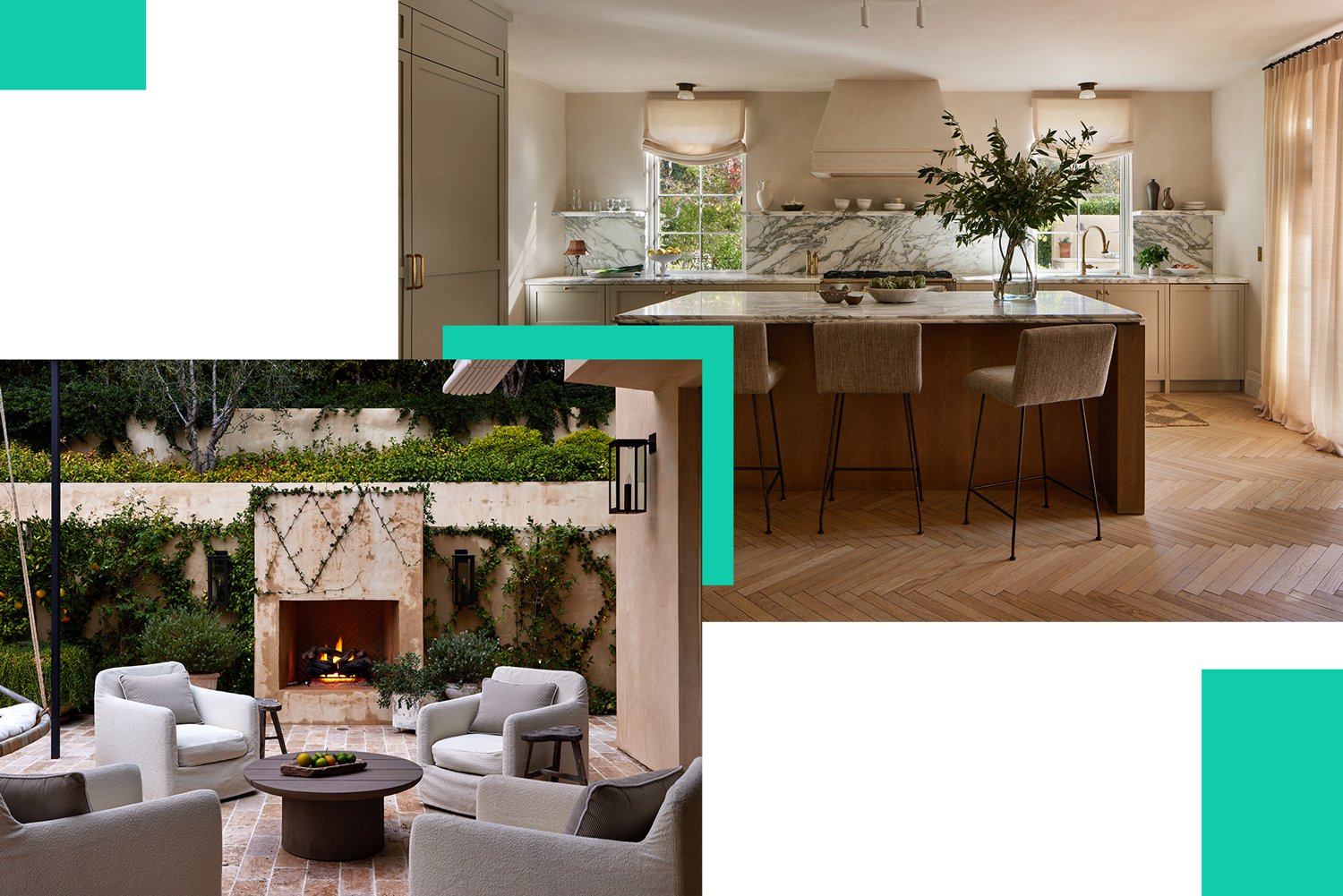
He pointed to one project in Brentwood where the homeowners originally wanted to sell but after factoring in the costs of the tax, plus commission for agents — which, combined, would have eaten about 11 percent of the sale proceeds — they decided to pivot.
“Instead of giving that [money] away, they reinvested into their current home,” Levy said.
Still, Hartoonian warns that remodels carry risks of their own.
“Renovation is not necessarily the safer or more economical decision… and there is never a guarantee that the market will fully return the investment,” Hartoonian said, also pointing to the disruption to the homeowner’s daily life as a deterrent.
Even so, some homeowners are choosing the remodel route once factoring in higher mortgage rates, along with costs from ULA and commissions.
This trend stretches beyond what Levy and Hartoonian are seeing day to day, backed by research from Attom Data Solutions.
In comparing the volume of permits for single-family home remodels in the City of Los Angeles during 2018 and 2019 — to serve as a baseline for pre-ULA and also before the pandemic — to the two years following the transfer tax taking effect, Attom found a 46 percent increase for high-priced homes. Meanwhile, there was no statistically significant change for mid-priced homes.
“The mansion tax appears to have reshaped the strategies of luxury homeowners, incentivizing them to retain and upgrade existing properties rather than sell,” Yingru Pan, a PhD candidate at UCLA who sourced Attom’s data for a study, said in a report. “Facing potential tax liabilities on high-value sales, many opt to ‘sit’ on their homes while investing in renovations.”
While this trend developed across the single-family landscape, multifamily owners are taking caution when it comes to renovations, Trent Klatte, CEO of West End Construction, said. The firm does renovations on single-family and multifamily properties, along with ADU construction and wildfire rebuilds.
As building ADUs on small- to mid-sized multifamily assets has been a growing value-add strategy for investors, Klatte said those with properties within the City of Los Angeles are factoring in the ULA tax when deciding how much to scale their buildings.
Looking at a multifamily building with 16 units as an example, Klatte said that even though an owner could add eight ADUs to their property per state law, they might opt for fewer to avoid raising their property’s value above the ULA threshold.
“If selling is in [the owner’s] plans, it’s actually a detriment to them to add more density and get above that $5 million value,” Klatte said.
Read more

Politics
Los Angeles
Sorting out Measure ULA proposals as City Council balks on ballot measure

Politics
Los Angeles
Relief from LA’s mansion tax still appears a pipe dream

Politics
Los Angeles
“Game of Thrones twist”: Last minute deal spikes ballot measure to kill LA mansion tax