

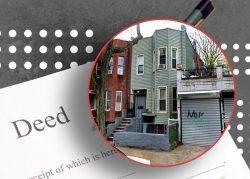
Brooklyn real estate investor Sanford Solny is headed to prison for a years-long deed theft scheme that stripped homeowners — many of them immigrants and people of color — of their properties.
Solny, 68, was sentenced Wednesday to up to seven years behind bars after being convicted in June on 17 counts, including grand larceny, scheme to defraud and criminal possession of stolen property, the New York Times reported. The ruling caps a case that became a flashpoint for New York’s growing fight against deed theft, a form of property fraud.
Brooklyn Supreme Court Justice Danny Chun ordered that 11 stolen deeds be nullified, potentially allowing victims to reclaim homes. But Chun stopped short of granting restitution, meaning Solny won’t have to return the roughly $500,000 in rent he collected after evicting owners and installing tenants.
Solny, a disbarred attorney from Midwood, pitched struggling homeowners on “short sales,” promising to negotiate with banks to wipe away debt. Instead, prosecutors said, he transferred the deeds to himself or shell companies while leaving mortgages and tax obligations in the original owners’ names. Victims testified that the scams left them homeless, financially ruined and fighting for more than a decade to undo fraudulent transfers.
Outside the courtroom, there was a standoff between Solny’s supporters and supporters of the victims. Inside the courtroom, victims described the long toll of the fraud.
“Because of Sanford Solny, I lost my home. I lost all my furniture and I lost all the work that I put into my home,” Janet Bruce, who emigrated from Guyana and bought her Flatbush home in 2006 before losing it in 2014, wrote in a statement to the court.
The sentencing followed a prior conviction in Queens in 2018 for similar crimes, when Solny received five years’ probation. Last month, Solny was remanded to custody during a hearing in Queens after allegedly violating his probation. The move seemingly came as a surprise to Solny, as it was on the eve of Yom Kippur and he didn’t have his medicine on him.
Prosecutors noted that at least one of his Brooklyn thefts occurred after that earlier sentence, a sign he kept the grift going even while under court supervision.
Deed theft is challenging to prosecute, as intent needs to be shown and victims typically sign legally-binding documents, allowing perpetrators to frame schemes as legal business deals.
Read more

Residential
New York
Disgraced lawyer jailed for deed theft

Commercial
New York
Disbarred lawyer charged in deed theft scheme — again
Commercial
New York
Former Brooklyn lawyer accused of $8M deed theft scheme