

I accidentally omitted a newsworthy detail from a piece about tenants rejecting a plan to have a private developer renovate the Isaacs Houses in Yorkville.
It’s more than a detail, actually. It’s a compelling story — and a bitter lesson.
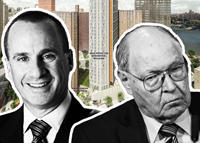
In May 2017, Fetner Properties was tapped by the New York City Housing Authority to build a tower at the John Haynes Holmes complex, which like NYCHA’s Isaacs Houses next door was in terrible condition.
Enough tenants opposed the plan that it never happened. For better or worse, NYCHA allows its tenants to decide such matters, and sometimes they make the wrong choice.

A lot of tenants favored Hal Fetner’s plan, which would have brought them new or fully renovated apartments, but a vocal minority shouted them down and ultimately got their way.
The opponents were supported by pandering elected officials, notably then-City Council member Ben Kallos and then-Borough President Gale Brewer.
The initial plan called for Fetner to pay $25 million for a 99-year lease and build a 47-story, 50 percent affordable tower on a NYCHA playground, which he would replace with a new playground. It evolved into an even better plan to replace two old buildings with three new ones.
(All the residents in one aging building and half the residents in the complex’s other one would have moved into the new tower. The empty building would have been gut-renovated or replaced with another new building, and the remaining residents in the last old building would move in. Then their old building would have been rebuilt.)
Sadly, as The Real Deal reported in 2017, “Residents at the housing complex immediately pounced on the deal, complaining that the new tower would wipe out a playground, while city politicians warned that placing market-rate apartments in the middle of a housing project would be a cruel juxtaposition of wealth and poverty.”
A cruel juxtaposition of wealth and poverty? It’s enough to make your head explode.
Reality check: Concentrated poverty is a disaster. This was obvious at the time and has since been proven by research. Poor children benefit tremendously from proximity to higher earners because they see possibilities for themselves that are not visible from ghettos. They end up with more education and income.
Mayor Zohran Mamdani and other progressives are now pushing for more affordable housing in wealthier neighborhoods. Where were these people in 2017 when Hal Fetner and NYCHA leaders were getting pummeled by idiots like Ben Kallos?
Kallos, you might recall, was the City Council member who stood with wealthy Upper East Side condo residents opposed to a New York Blood Center project because it would block their views.
The condo that Kallos sided with, 310 East 66th Street, was where Jeffrey Epstein kept some of his underage victims. The opposition to the Blood Center was “a vicious and completely choreographed campaign” that “was all being financed by Jeffrey Epstein’s brother Michael, who lives in that building,” said one project supporter.
Looking back at the defeat of the Holmes Towers project, it’s kind of absurd that Kallos was cast as the good guy and Fetner as the evil developer.
New apartments would clearly have improved the NYCHA tenants’ quality of life, but the evidence that nicer units result in better outcomes for children is actually thin. What really helps them is befriending and going to school with children from higher-income families. Having some market-rate units is essential not just to finance the project, but to improve young people’s lives.
The defeat of Fetner’s plan was more than just a lost opportunity for the real estate industry. It condemned an entire generation of Yorkville children to a lifetime of struggle.
“It really hurts knowing what could have been done for some of these residents,” Fetner told me last week. “So many of them wanted the new apartment but the minority was so fierce that many were afraid of them.”
Read more
Residential
New York
NYCHA’s deal with Fetner Properties for market-rate housing still hasn’t closed — two years later

New York
NYCHA’s private lifeline

Politics
New York
Industry to Mamdani: “Let’s not demonize real estate”