

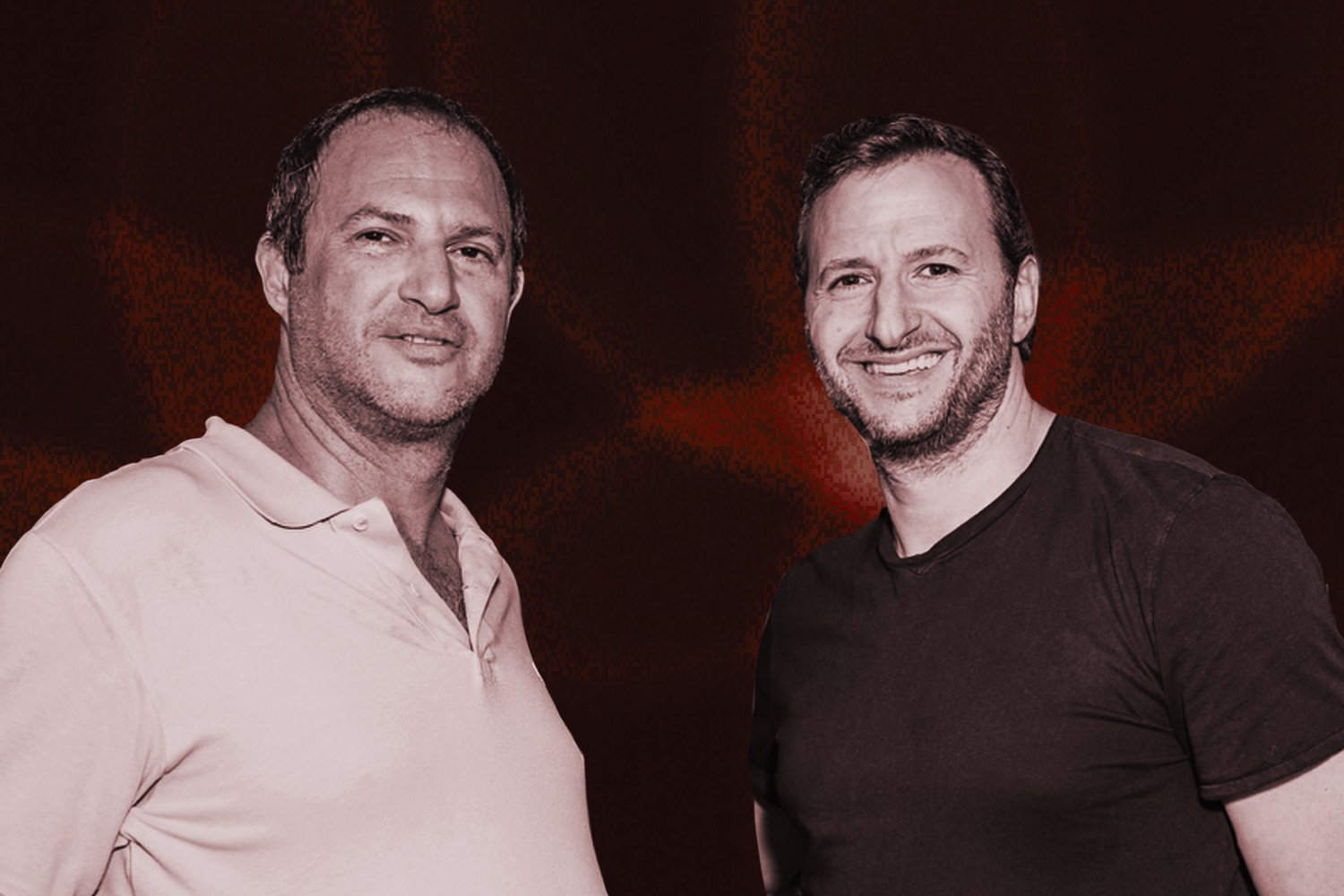
About two decades ago, two brothers from Park Slope bought a 51 percent stake in Camp Chen-A-Wanda, a co-ed sleep away camp in the Pocono Mountains.
Camp Chen-A-Wanda, known as Chenny to its campers, billed itself as an escape from the hustle and bustle of a technologically advanced world. David and Michael Shabsels, the company’s new financial backers, intended to keep it that way.
But this year, instead of the summer session beginning with the quiet serenity of Northeastern Pennsylvanian nature, Camp Chen-A-Wanda and 29 others across the United States were engulfed in one of the biggest and most surprising bankruptcy cases in real estate’s recent history.
The brothers’ company, Simad Holdings, revealed it had defaulted on about $214 million in bonds issued on the Israeli capital market, diverted $34 million to the Shabselses’ companies and could not return the money. The firm is now under investigation by Israeli securities authorities.
Adding to the debt problems, the brothers had taken out at least $234 million from merchant cash advance firms, whose contracts gave them the right to withdraw money from Shabselses’ company accounts. To stop the withdrawals, the Shabselses’ companies, including their 30 camps and their 55-asset real estate portfolio, filed for bankruptcy.
“Kids are going to camp next week,” an attorney representing camp directors and owners said the week before opening day. “These are people’s most important assets in the world,” the lawyer, Joshua Sussberg, of Kirkland & Ellis, added.
A stalking horse bid by some directors and existing camp operators could be approved as soon as this week.
Ultimately, through bankruptcy, and a debtor-in-possession $60 million line of financing, the camps had funding to open for the season, crucial not just for families but also for attracting buyers. Though campers have now arrived, the security could be short-lived if parents don’t send 2027 deposits — the main revenue source — when they’re due later this summer. Meanwhile, Israeli pensioners are demanding answers from regulators and ratings agencies and dozens of commercial, multifamily and retail spaces around the U.S., including a prominent downtown New Orleans office building, are caught in the crosshairs, as are some regional banks that lent to them.
Restructuring officers in charge of handling the Shabselses’ businesses are in the initial stages of their investigation, with one lawyer involved describing the work as “drinking from the proverbial fire hose.”
Lawsuits, bankruptcy filings, property records and sources who know the Shabselses provide clues of what went wrong. One key concern: that the brothers heavily relied on a financing strategy that allowed them to obtain almost 100 percent financing on their acquisitions.
“They loved debt,” said a source who worked with the Shabselses. “They wanted as much leverage as they could on their property.”
Business of fun
Michael and David Shabsels grew up in the heart of brownstone Park Slope. The brothers attended private school in Brooklyn and honed their basketball skills with their father at the local reform synagogue.
David, eight years younger than Michael, was the more athletic of the pair and regarded as an elite player in the neighborhood. David played in college at Adelphi University on Long Island and later at the University of Massachusetts-Lowell.
Michael took a different path. During his senior year at Brandeis, he co-founded University Publications, a publisher of professional and college sports souvenir magazines and yearbooks. He parlayed his success in publishing into real estate.
In the 2010s, the brothers’ company, Simad Holdings, went on a summer-camp buying spree, often picking up camps when enrollment declined. The Shabselses arrived willing to inject money into family-run operators, either through partnerships or outright ownership. The Brooklyn brothers quickly made enemies in the camp world. Among them: Karla and Ivan Bellotto, whose family owned Kiwi Country Day Camp in the Hudson Valley for decades. The Bellottos sued the Shabselses, alleging Michael and David invested $620,000 to buy a stake in Camp Kiwi, then cut them out of the profits. The Shabselses also took out loans on the camp to which the Bellottos weren’t privy, according to a lawsuit filed in New York State court.
The Shabselses argued they could not make distributions to the Bellottos because they needed to establish a reserve fund.
“The concern that the Bellottos have shared, that we haven’t made a distribution, we never want to be in the position where if we don’t have cash on hand, we could have to go out and borrow money that we can’t find,” David Shabsels said at an eight-day trial for the Camp Kiwi case last August. “And what I mean by that is, as for instance, when we bought the camp from the Bellottos, they were out of money to run the business. So for us to have available money in the business is the critical rainy day fund.”
In a deposition, Michael claimed the litigation was caused by “Ivan and Karla’s both dishonesty and ineptitude.”
Other camp directors and partners, including at Camp Lavi in Pennsylvania and at the New England Golf and Tennis Camp in Maine, sued the Shabselses with similar allegations.
Michael’s problems didn’t end with camp operators. In 2018, a domestic worker who performed household tasks for Michael and his wife sued the couple over unpaid wages. (Michael’s lawyer argued she was an independent contractor, not a full-time employee.)
Michael Shabsels also sued the Deputy Commissioner of New York’s Department of Motor Vehicles in 2017 for attempting to suspend his license for making an improper turn. He appeared in traffic court with his attorney, arguing he had to make the turn to avoid a pothole. An officer’s notes contradicted his account. Michael claimed he also had notes that he hadn’t brought to court. The judge brought up Michael’s driving record: 34 traffic convictions, including six for speeding, two for red lights, 16 suspensions and three accidents.
“Your Honor, I — I must be an — an amnesia patient, ’cause I have no recollection of nearly any of these convictions,” Michael responded.
“This is your record. I’m not making this record up,” the judge said. “You’re not driving very well.”
The brothers also amassed personal real estate. David, who has a home in Scarsdale, in recent years purchased a second lot in the Westchester village, filing plans for a 4,600-square-foot home, the maximum allowed by zoning, and an 800-square-foot pool. Michael bought a home in Westhampton that is now renting for $75,000 per month.
By 2006, the Shabselses’ Simad had bought 30 camps, mostly in Maine, Pennsylvania, New Jersey, and New York, and New Hampshire. Some of these included popular Jewish summer camps such as Camp Blue Star in North Carolina, Camp Lavi in Pennsylvania, and Camp Achim in New York. In total, over 20,000 children attended, with some camps charging more $16,000 per session.
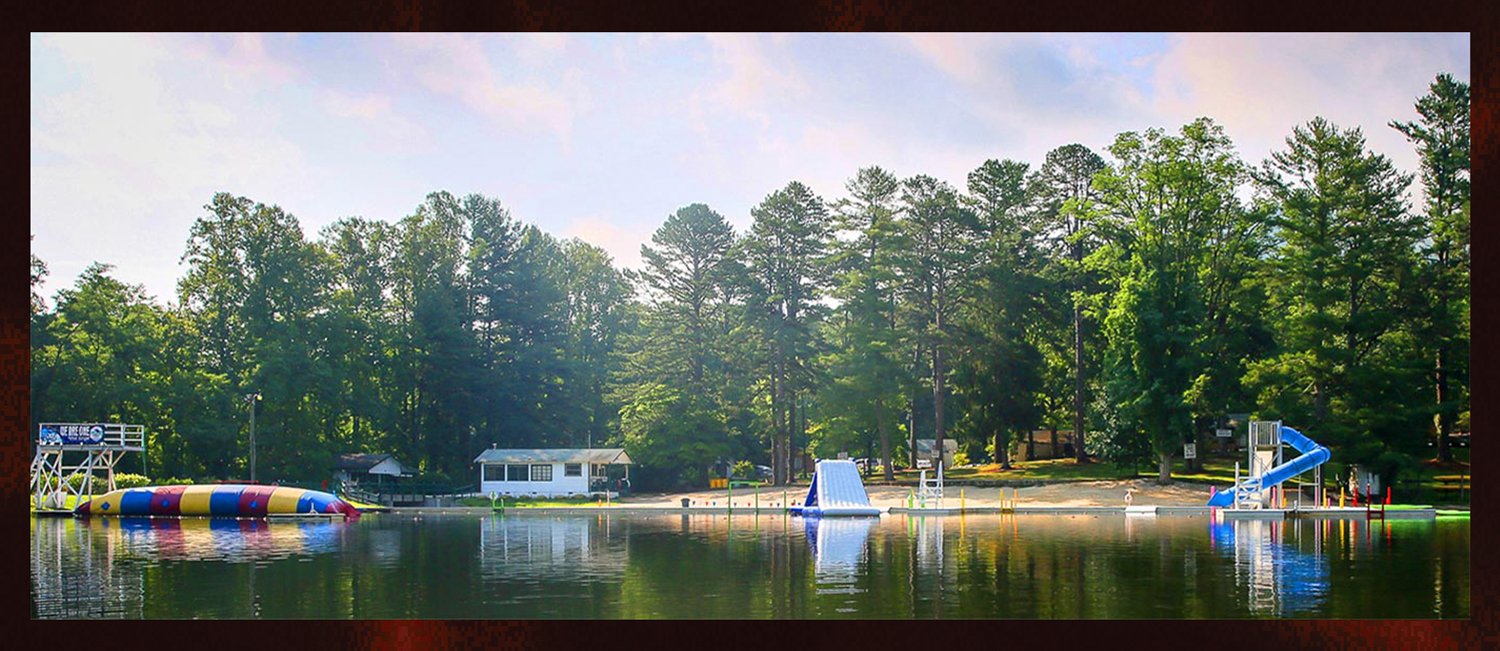
The brothers stayed in the background, focusing on the finance side of the business rather than the day-to-day operations. Occasionally they brought in their own camp directors. They closely guarded the camps’ books and records, lawsuits show.
“My ownership and my brother’s, our side is of a silent nature. Not because it’s a grand secret but because since we’re not at the camp every day monitoring things, being a warm and welcoming face to parents, to staff, we are a nonentity in terms of who we are to the outside world,” David Shabsels said during the Kiwi trial.
In depositions provided in lawsuits, the brothers made themselves out as saviors of financially challenged camps and leaders committed to long-term success.
“Anyone who is a business owner must always have the mindset that they are never going to fail and they are never going to give up,” Michael Shabsels said in a 2020 interview posted on YouTube.
Typically, the brothers segmented the camps into operating companies and property companies and took on new debt.
One buy, two properties
Eventually, Michael and David Shabsels looked to buy real estate outside of camps. They launched another real estate firm, Damis Holdings, which bought and leased commercial real estate, including retail, multifamily and medical offices, plus Rocking Horse Ranch Resort, a family resort 90 miles north of New York City, and SplashDown Beach, a waterpark in the Hudson Valley. Damis has outstanding mortgages totaling approximately $466 million, according to bankruptcy filings.
The strategy was to find properties where they could add a ground lease, a financing tool segregating ownership between the building and the land. One source claimed the brothers initially pursued ground leases for tax purposes in order to depreciate their camp assets.
Ground leases are traditionally held by two separate parties: the ground lease holder and the building owner, also known as the lessor and the lessee.
The Shabselses came up with a way to reinvent this structure, according to the chief restructuring officer in Damis’ bankruptcy.
First, the Shabselses worked with brokers to find properties. Then they would go under contract. Almost immediately, they would add a ground lease, splitting the land from the building, and obtain mortgages on both parts. The Shabselses then became both the lessor and the lessee, sometimes through affiliates. In other words, they were leasing each property (as the building owner) from themselves (as the land owner). They also had the ability to assign a value to the leasehold. By taking out two loans on two different assets, they could get close to 100 percent financing.
The Shabsels brothers often used short-term bridge loans or regional banks and tried to refinance into lower-rate CMBS, according to a source familiar with the matter.
Acting on both sides of a ground lease is not illegal, but it has to be disclosed to the lender.
One lender alleges the brothers never told them about the structure.
TriState Capital lent $23 million to a Damis shopping center in Elmira, New York, under the impression that an individual named Mark Graham controlled the ground lease as an unrelated third party. TriState claims it later learned that Graham worked as an attorney for the Shabselses.
“If the principals of the debtors are close business partners with the principal of the ground lessor, it raises issues that could affect these estates, such as whether the rent paid on the ground lease will be appropriately used to pay the fee mortgage on the shopping center,” a TriState attorney wrote in a court filing.
Loans, bond raises and cash advances
David and Michael Shabsels were always on the hunt for new debt sources.
The brothers incorporated Simad as a British Virgin Islands company to raise financing from Israeli institutions on the Israeli bond market in 2025. U.S. developers had ventured to Israel as a way to obtain financing at lower interest rates than traditional banks offered. Developers could raise money through their companies for a variety of properties in Israel. This is different from the U.S., where developers take on loans on individual properties.
The Shabselses’ firm looked to raise close to $200 million from Israeli investors. The offering was unusual in that the money would go toward funding 29 camps. But the value of camps is mostly derived from goodwill and brand name, not location or buildings on the property. Their business is complicated by the seasonality: The main source of revenue — tuition deposits — comes in at only a few points in the year.
Still, Simad found all the necessary pieces to raise the money. They set up a board of directors chaired by Shahar Nachmias, a career investor who had played basketball at UMass-Lowell with David Shabsels. The company used InFin Capital, led by Yehonatan Cohen, to underwrite the deal. Cohen had advised other U.S. developers such as Delshah Capital and Related Companies on their Israeli bond offerings. He received about a $5 million fee on the deal.
Most importantly, Simad received an investment-grade rating from Israeli ratings agency Midroog. Midroog, an affiliate of Moody’s, noted that while U.S. summer camps were experiencing moderate growth and high seasonality, Simad’s camps attracted affluent families and were profitable.
Revenue from camp operations totaled about $160 million in 2024, a 2 percent increase from 2023; the operating profit was about $21 million that year.
The bonds were secured by 16 of the camps, meaning bondholders could attempt to foreclose or sell those camps in the event of a default. An appraisal commissioned by the U.S.-based Leitner Berman valued all the camps at $466.6 million, with a projected cap rate of about 10.5 percent for 2025.
Prominent Israeli financial institutions More Investment House, Meitav and Migdal Capital Markets bought the bonds, which paid 7.5 percent interest.
Of the nearly $200 million in bond financing Simad raised, about $50 million would go toward acquiring properties the Shabselses owned, according to Globes, another $50 million to refinancing loans and the rest toward buying income-producing real estate.
Three months after the bond raise, Simad made an acquisition: a 32-story downtown New Orleans office building called One Canal Place. The building sold for $28 million in March, according to Elifin, a commercial real estate brokerage. Neither Simad nor the Shabselses were named in press reports. Instead, reports listed Skysoar Capital as the purchaser. Two LLCs were created, One Canal Place Real Estate and One Canal Place Leasing, indicating the brothers were following their typical playbook: Buy a property and create a ground lease.
Local news stressed how the sale marked a positive note for New Orleans’ office market.
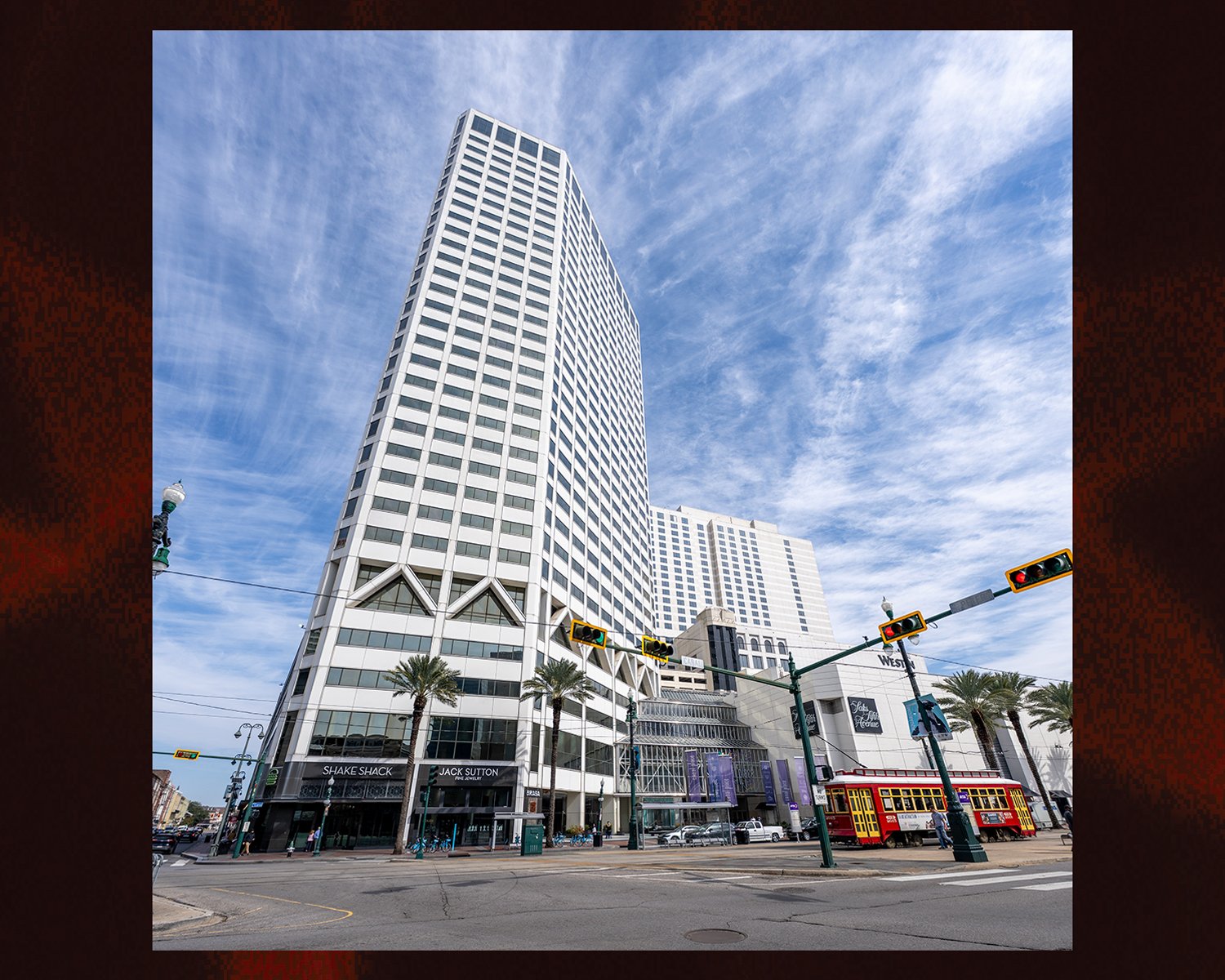
“The sale of One Canal Place is a vote of confidence in Downtown New Orleans,” Michael Hecht, CEO of Greater New Orleans, told New Orleans Fox 8. “When billionaire investors put capital into Class A office space in the heart of our city, it signals that New Orleans is on the radar of sophisticated commercial real estate players who see long-term value here.”
Mike Siegel, CEO of Corporate Realty, who co-brokered the deal, said he dealt with Skysoar’s Moshe Meir. Siegel said he was not aware of the Shabselses’ involvement until the property was included as part of Simad’s bankruptcy.
It’s unclear what role, if any, One Canal Place played in the events that followed.
Cold summer
In late May, the trouble in the Shabselses’ businesses emerged. Simad informed bondholders they could default on their bonds and revealed its audit committee had discovered the diverted $34 million. Simad’s board of directors demanded that the Shabselses return the money. After initially agreeing to do so, Michael Shabsels said he was unable to return it. Because of exchange rates, the amount of the default was more than the original amount they had raised. The company’s bonds went to junk status before being delisted from the Tel Aviv Stock Exchange, the Israeli stock exchange.
Israeli investors had a bad taste after a decade during which American developers such as All Year Holdings, Starwood Capital and Pinnacle had defaulted on their bonds, leaving them out in the cold.
The Israel Securities Authority recently imposed stricter reporting and compliance requirements after defaults led to questions about assets’ appraised values.
But Simad defaulted on its very first payment, suggesting its problems were there all along, rather than results of market factors or construction delays after the financing. In June, the business press jumped on the Simad news. Globes’ English website ran the headline, “While the watchdogs slept, Simad’s owner took its cash.”
Lawsuits and filings on the Tel Aviv Stock Exchange revealed the brothers’ exorbitant debt. The exact amount is hard to trace because instead of turning to traditional banks, the brothers had used merchant cash advances, essentially selling future revenue in exchange for an upfront sum.
The New York Attorney General’s office has brought legal action against MCAs, stating in a June press release that some operate as “illegal predatory lenders” with “interest rates higher than 50 times the legal rate.”
At least one lawsuit revealed the brothers took $15 million from a company called Swiss Fund LLC. The Shabselses sued Swiss Fund in April after it attempted to withdraw $117,187.50 from a Damis account. In order to stop it or other cash advance firms from attempting to withdraw money, the Shabselses ceded control to restructuring officers who put Simad and Damis into bankruptcy in June.
The bankruptcies revealed that Swiss Fund was just the tip of the iceberg. Simad had over $100 million in claims from merchant cash advance companies, and Damis had $134 million. Both were guaranteed by numerous entities and the Shabselses personally, according to the bankruptcy filings. Filing for bankruptcy stopped the collections, with the firms listed as unsecured creditors.
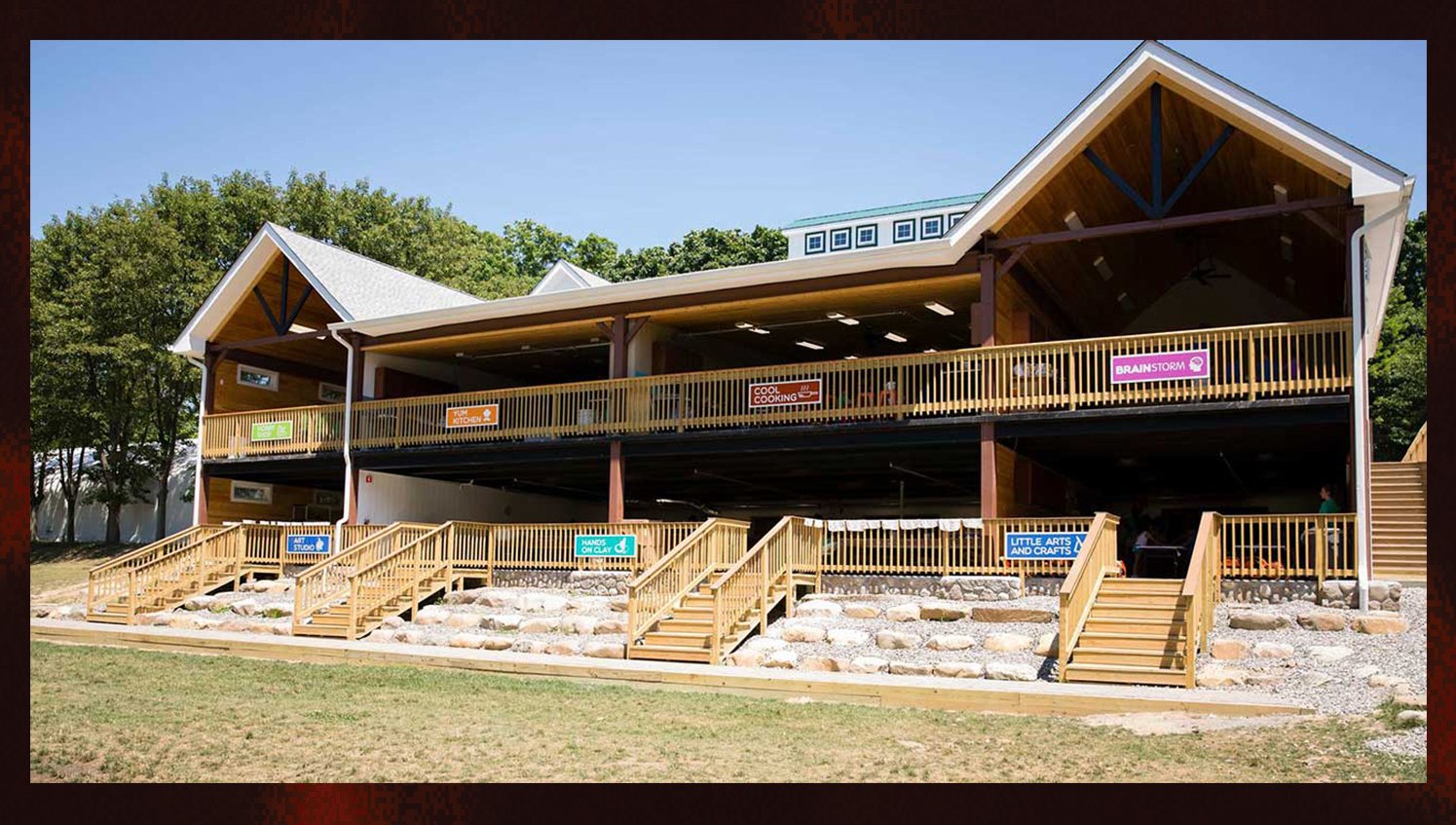
Restructuring officers are still digging through the company’s finances. It is not clear where the $34 million went, why the brothers needed to take so much debt or exactly how the camps and the other real estate fit together. On paper, the camps were profitable. Mohawk Day Camp, for instance, was projected to bring in $9.4 million in net operating income in 2025, according to the appraisal report.
The Shabselses have yet to comment on the litigation.
The bankruptcies came just as camp sessions were set to start. Simad received emergency approvals from the judge to use the camp’s cash accounts to pay the company’s 4,300 part-time and seasonal employees. Simad recently received the go-ahead from the court to draw into $60 million in debtor-in-possession financing to fund the camps through the summer and to start soliciting offers to sell the camps.
A group of nine camp operators, including Camp Chen-A-Wanda’s and Mohawk’s directors, submitted a bid to acquire nine camps as a potential stalking horse bidder. The judge approved procedures for the bidding process.
But as temperatures hit triple digits and kids cool off in camps’ lakes, parents remain concerned about deposits for the next session.
“Parents are right to be cautious. These are family-run camps that have been run by the same operators for decades,” a bankruptcy filing from the bidders stated. “This case is beyond a ‘melting ice cube’ — the ice cube is a puddle on the floor.”
Spencer Davis contributed reporting.