
Victor Sigoura’s first gig at a development firm was working on one of the city’s most iconic and controversial projects.
Sigoura left his job as a lawyer at a white shoe firm to work for El-Ad Group, which had just acquired The Plaza and planned to convert a portion of the hotel into luxury condos. The hotel union fought the conversion, leading to a dramatic escalation.
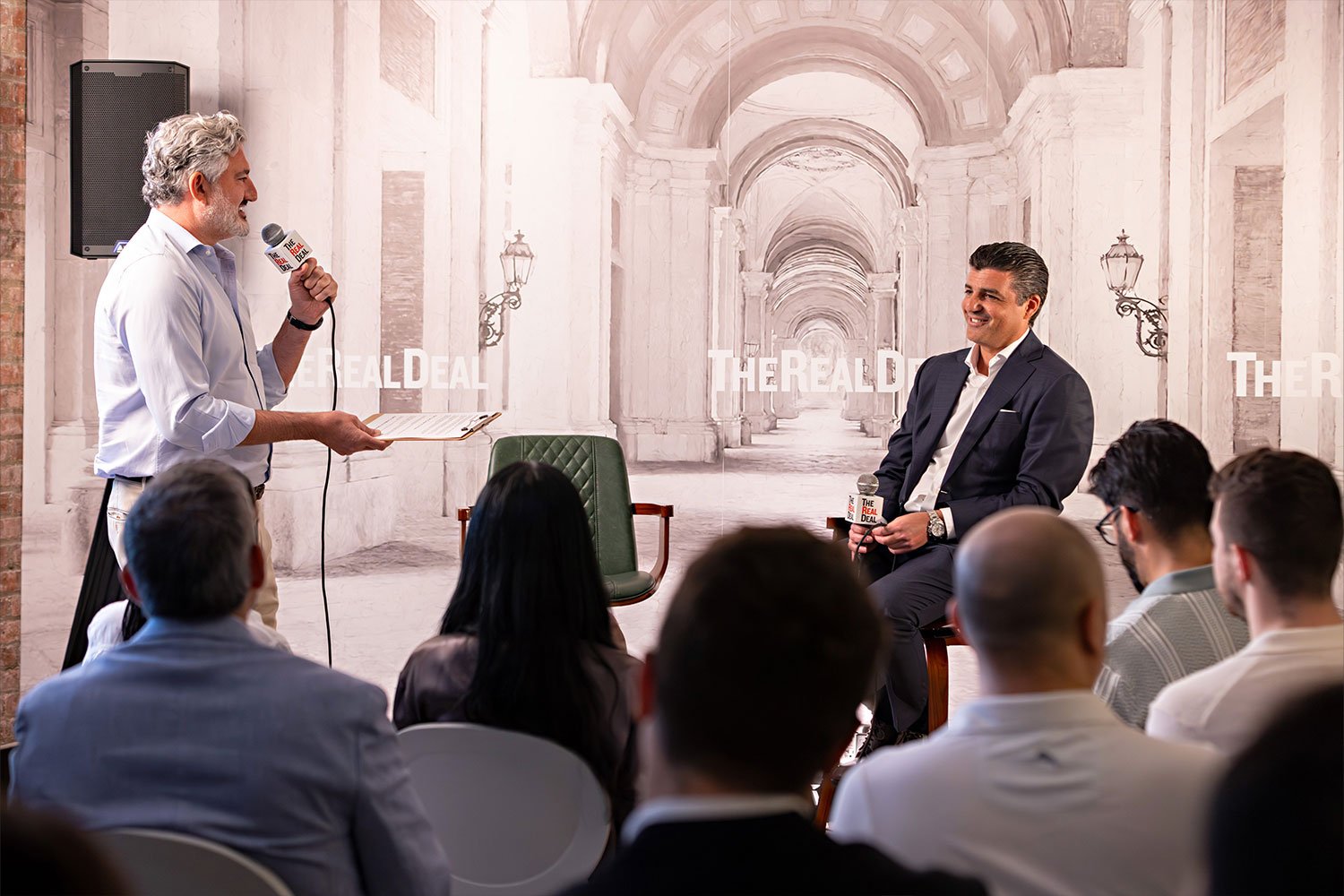
“I had the pleasure of handling the union. I used to get beat up by them every single day, like yelling matches,” said Sigoura, who said El-Ad’s founder Isaac Tshuva and then CEO Miki Naftali already had some history dealing with the union.
“So, they were like getting it all out on me,” said Sigoura, at The Real Deal’s Salon Series event in June. “Having to deal with that was really very eye-opening. I was young, I wasn’t prepared for something like that.”
Sigoura moved from El-Ad to Naftali Group before launching his own firm, Legion Investment Group, in 2016. At Legion, Sigoura focused on building high-end condos in prime neighborhoods.

Legion’s first project was a 32-unit condo development at 109 East 79th Street that nearly sold out prior to obtaining a temporary certificate of occupancy, selling units for over $4,000 per square foot. Now, Legion has acquired assemblages to build: a 30-story condo in the West Village, a 20-story project in Gramercy Park, and a 26-unit condo development at 1122 Madison Avenue in the Upper East Side, where a penthouse went under contract for $89.5 million earlier this year.
“We really have two mantras: we look at supply and demand very carefully,” said Sigoura. “And we focus really on the high-quality luxury side of the market because if you’re delivering that product even in a down market it’s a bit more resilient because the customer base that you’re talking about has more resilience to a down market.”
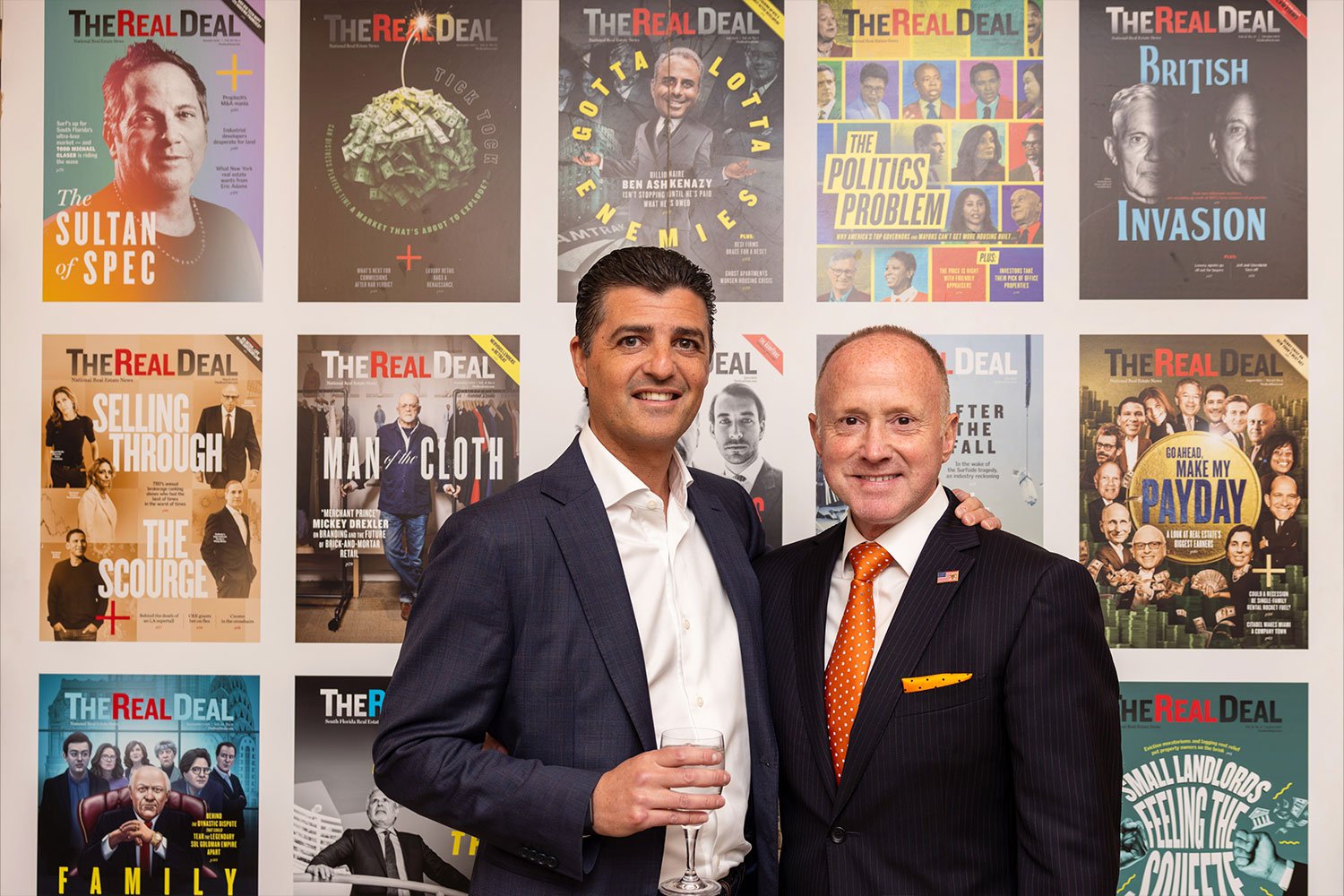
In a conversation with TRD publisher Amir Korangy at TRD’s New York office, Sigoura told his story about his path to become a developer and how he has commanded record prices for his condos.
Sigoura started out at Greenberg Traurig the day before 9/11. He initially spent his days working on litigation, mediations and arbitrations. Sigoura said he was bringing in real estate clients, but he didn’t know anything about the topic, so he asked to move to the real estate department. He quickly found that development was the path for him.
“I was doing a bunch of work on different deals and I would do a lease on a retail spot, or other things that I thought were just very boring. When I first got exposure to development was when they assigned me to the acquisition of The Plaza Hotel, when El-Ad Group was buying the hotel, and so I saw that, and I was like, ‘Wow, this is very exciting,’” he said.
Sigoura would soon go on to work for El-Ad, solely spending his time on The Plaza. El-Ad’s condo conversion plan turned out to be a major success marking record condo sales. Among them was developer Harry Macklowe and his ex-wife Linda’s $60 million deal for 14,000-square-feet across seven contiguous apartments in 2007.
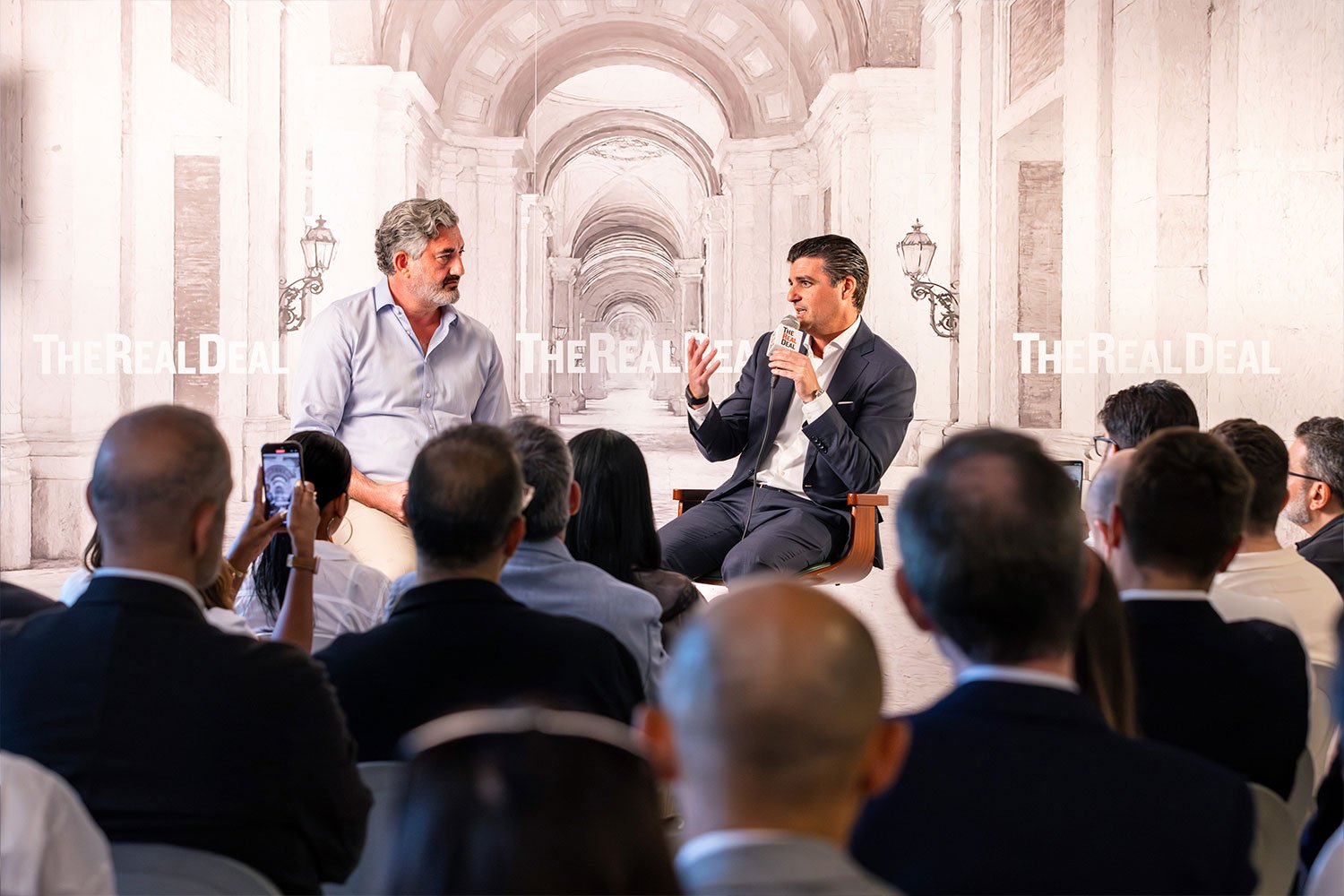
Korangy pressed Sigoura about why investors continue to invest with Macklowe, noting that Macklowe has faced major setbacks at his most high-profile projects, including litigation at 432 Park Avenue over construction defects and ’s underwhelming sales at One Wall Street.
“I don’t know,” said Sigoura. “No comment. I happen to really like Harry. I had a great experience with him. I don’t know about all this other stuff.”
Korangy asked Sigoura about what separates a good developer from a bad one, without naming any specific developers.
Sigoura suggested that part of the distinction is focusing on minute details to deliver a quality product. He gave an example of how an architect he was working with sent over renderings which included furniture. Sigoura’s team marked it up, accepting some things and rejecting others. The architect called Sigoura and told him no one has ever rejected FF&E (furniture, fixtures and equipment) in renderings in his entire career.
“There are the developers who will sort of do it for the sake of getting it done, hopefully making some fees along the way and making some profit, but we really do think about it differently,” said Sigoura.

In one of Korangy’s last questions, he asked Sigoura to participate in a role play, a first for TRD’s Salon Series, and, Korangy joked, the first time outside his apartment.
Korangy pretended to call Sigoura on an imaginary phone.
“Victor, thank God you picked up the phone. It’s Mayor Mamdani. I need your help. Give me three ideas right away to fix housing in New York City. Please list them,” Korangy asked Sigoura.
Sigoura held the make-believe phone to his ear and mentioned two ways to help alleviate the city’s housing crisis.
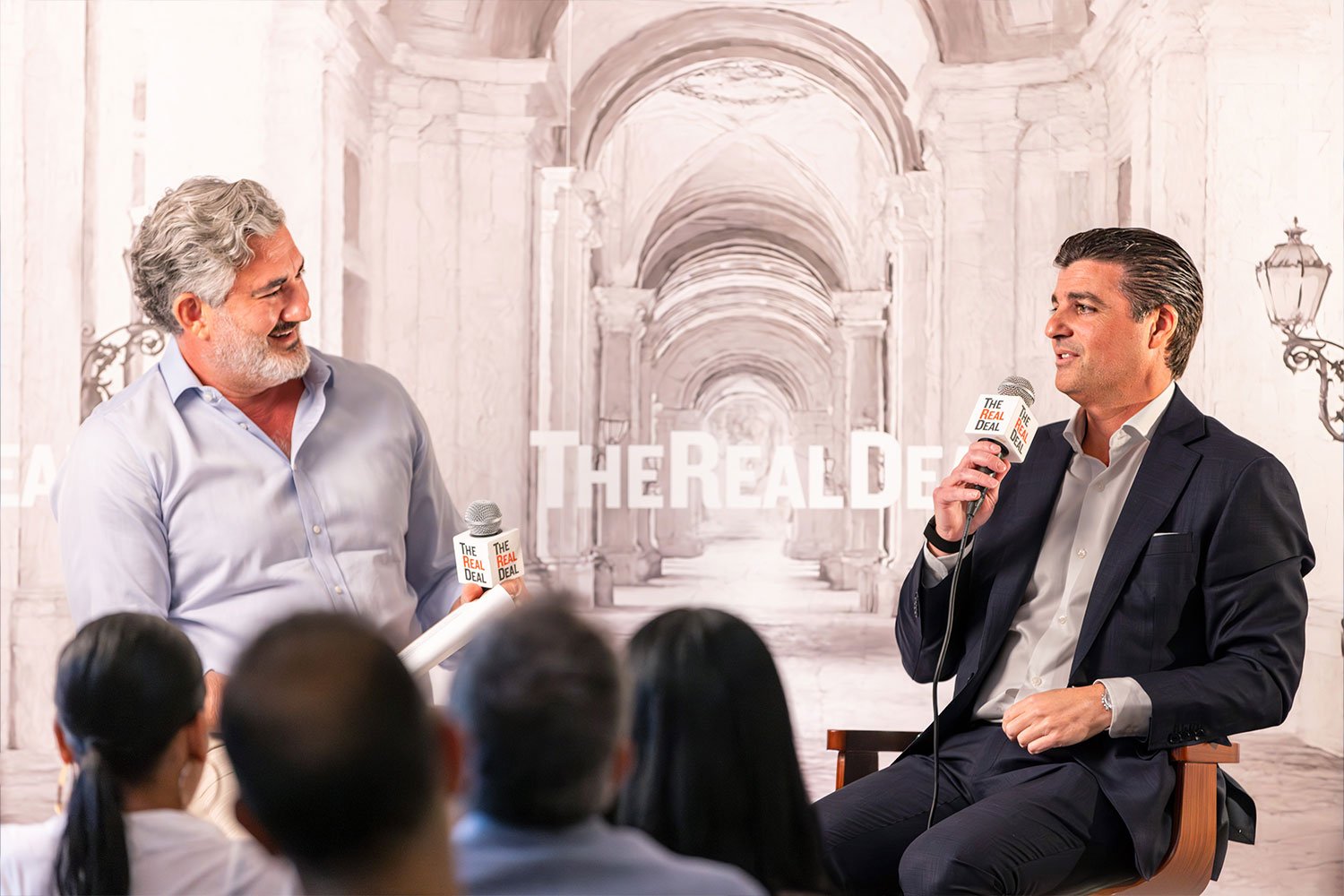
“If they helped speed up the processes of a development, it would be a huge benefit to developers,” said Sigoura. “It takes 12 months, 13 months, 14 months to get all your approvals in place and go.”
Sigoura’s second solution was improving tax incentives, bringing up the ineffectiveness of the 485-x tax exemption program.
“If you’re looking for a quick fix, tax incentives really, really help,” said Sigoura.
Read more

Residential
New York
Legion, Nahla’s 1122 Madison snag Manhattan’s top two deals

Development
New York
Legion lands $191M loan for Greenwich Village project

Residential
New York
Legion Investment Group, Gindi finalize Gramercy Park assemblage