

Some Bay Area developers are tweaking their multifamily project plans amid a shaky financial atmosphere.
DM Development and Urban Catalyst are among the firms who have had to pivot as secure funding sources remain hard to come by, the San Francisco Standard reported.
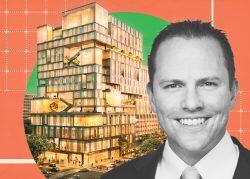
On Tuesday, DM broke ground on its first affordable housing development. The San Francisco-based developer previously only erected luxury multifamily properties and planned for a market-rate property at 300 De Haro Street in Potrero Hill before changing plans to make it a 100 percent low-income housing project.
In doing so, founder Mark MacDonald secured federal tax credits and sold them to investors who wanted to reduce their tax payments. He also was able to have the state issue special bonds to Citibank in exchange for a cheaper loan to cover about half of the $204 million development cost. DM purchased the land in 2022 for $16.6 million, and as a developer of affordable housing, the firm receives a $28 million fee or 13 percent of the project cost.
The government requires investors to remain tied to affordable projects for 15 years. That long sell-off window, when investors make most of their money, has made it less attractive for investors to get involved.
“In this environment, everyone’s likely going to have to keep their money in a deal longer than they would have anticipated,” MacDonald told the Standard. “So you either have to get your investors comfortable with that fact or find someone who can buy them out.”
Down south in San Jose, developer Erik Hayden of Urban Catalyst has similarly had to change his plans for two market-rate high-rises in downtown San Jose.
Investors haven’t shown much interest until large private-equity groups came in and bought already leased apartment buildings nearby at a 30 percent discount. Still, developers like Urban Catalyst are at the mercy of less-than-enthusiastic investors until the cost of purchasing buildings exceeds the cost of building them from scratch.
That high-rise development is on hold as Urban Catalyst this week was able to secure a $110 million from Los Angeles-based Beach Point Capital to break ground on Aquino, a smaller 278-unit apartment building. Construction cost is estimated at $135 million with the lender getting an 80 percent stake — higher than the typical 50 to 65 percent debt load and meaning the developer is on the hook for higher interest payments and increased foreclosure risk if the property struggles with occupancy.
“More projects will break ground once everyone in the market believes that the high-density, market-rate development model works again,” Hayden told the Standard. “We were able to break ground because higher-risk financing is coming back to the market.”
It remains to be seen if possible Federal Reserve interest rate cuts and bank confidence in Bay Area housing projects will help spur a new housing boom in the region.
Read more
Commercial
San Francisco
Urban Catalyst eyes twin towers in Downtown San Jose

Residential
San Francisco
DM Development pivots to affordable projects amid market-rate pains

Residential
San Francisco
After a decade, affordable housing near Alamo Square moves forward