

A single-family lot in the Outer Mission is poised to gain a handful of new housing units.
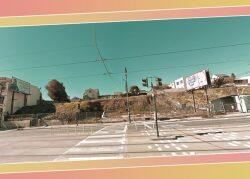
Ronald Yu of Yuflux Engineering has filed permits to subdivide an existing parcel at 490 Ellington Avenue and add three residential units behind an existing single-family home, San Francisco YIMBY reported.
The plan calls for replacing the current backyard facing Whipple Street with a three-story structure. The building would include two apartments and an accessory dwelling unit. The completed project would include parking for two cars and three bicycles.
The property owner is listed in planning documents as a local individual and current resident at 490 Ellington Avenue, according to S.F. YIMBY. The existing house on the site was built in 1917. Total construction is estimated to cost roughly $650,000, though the exact amount for all development costs is not clear. A timeline for the project’s completion has not yet been disclosed.
Yu’s proposal is the latest to call for infill housing in the Outer Mission. Merced Residential Care, a local developer that focuses on elder care, is looking to build a four-story condominium complex on a vacant lot at 5500-5504 Mission Street. Earlier this year, property owner Merced filed a formal application for the development, which calls for merging lots and erecting a 49-bed, 30-room building rising approximately 40 feet. Once complete, it’s expected to span roughly 26,500 square feet, including 23,900 square feet of elder care residences, 2,170 square feet of common space and 430 feet for a garage. Construction for that project is estimated to cost around $3.5 million, which doesn’t include all development costs. The developer has not yet shared a timeline for completion.
San Francisco is grappling with increasing demand for living space among incoming tech workers as the city’s new apartment development pipeline is largely frozen thanks in part to rising construction costs and an uncertain broader economic outlook. Under its state-mandated housing goals, the city must plan for 82,069 new housing units by the turn of the next decade. — Chris Malone Méndez
Read more

Residential
San Francisco
San Francisco multifamily projects in limbo amid state-mandated goal

Residential
San Francisco
Developer drops retail, adds child-care for Outer Mission in SF project
Residential
San Francisco
Residential infill project aims to create affordable housing in San Francisco’s Bayview neighborhood