



Branding in residential projects is more than marketing; it’s a promise.
Partnering with the best-matched luxury brands can create a development that delivers more value for residents than the sum of its parts. On the other hand, choosing the wrong brand, or failing to deliver a product that lives up to the quality that brand represents, can sink a project on delivery. We sat down with Peter Bazeli, whose firm, Weitzman Associates LLC, consults on about 80 branded residential projects a year, to get a sense of how developers should approach including brands in their luxury resi projects and why brands like Gaggenau continue to deliver results.
To brand or not to brand?
Branded elements in residential projects range from an on-site restaurant or interior design services to building-wide branding under a marquee hospitality or luxury lifestyle name.
According to Bazeli, the primary function of a branded element in a residential project is to establish a certain level of expectation among potential buyers. It’s a simple yet incredibly powerful strategy for communicating with buyers.
“It’s not just marketing,” says Bazeli. “It’s a promise to the buyer that they will experience living in this building in a certain way upon delivery and for a long time thereafter.”
As with everything in real estate, a project’s branding potential is ultimately determined by its location.
“When a developer asks me how to brand a project, or whether a branded residential component makes any sense, the first thing that I do is look at the inherent quality of the real estate,” explains Bazeli, who has advised developers behind branded residential projects around the world. “What is the personality of the market? What is the scale of the development? What are the entitlements?”
From here, Bazeli and the developer can begin to assemble a “brand stack, which is the layering of brands that can be leveraged into an effective marketing proposition for a project and value proposition for buyers.”
When properly combined, these branded elements should synergize with each other to create what Bazeli describes as a “one plus one equals three” market proposition.
With great brands comes great responsibility
Of course, once those expectations have been established within a buyer, it’s up to the developer and their brand partners to deliver.
“It’s not enough to just put a name on a building,” says Bazeli. “You have to actually convey value to the buyers. 10 years after the developer delivers a building, people should still love living there and identify it as a unique experience because of what the developer delivered.”
Branded elements create two associated sets of expectations: first, choosing a brand like Gaggenau as the appliance provider sets the bar for overall design, fit and finish quality incredibly high.
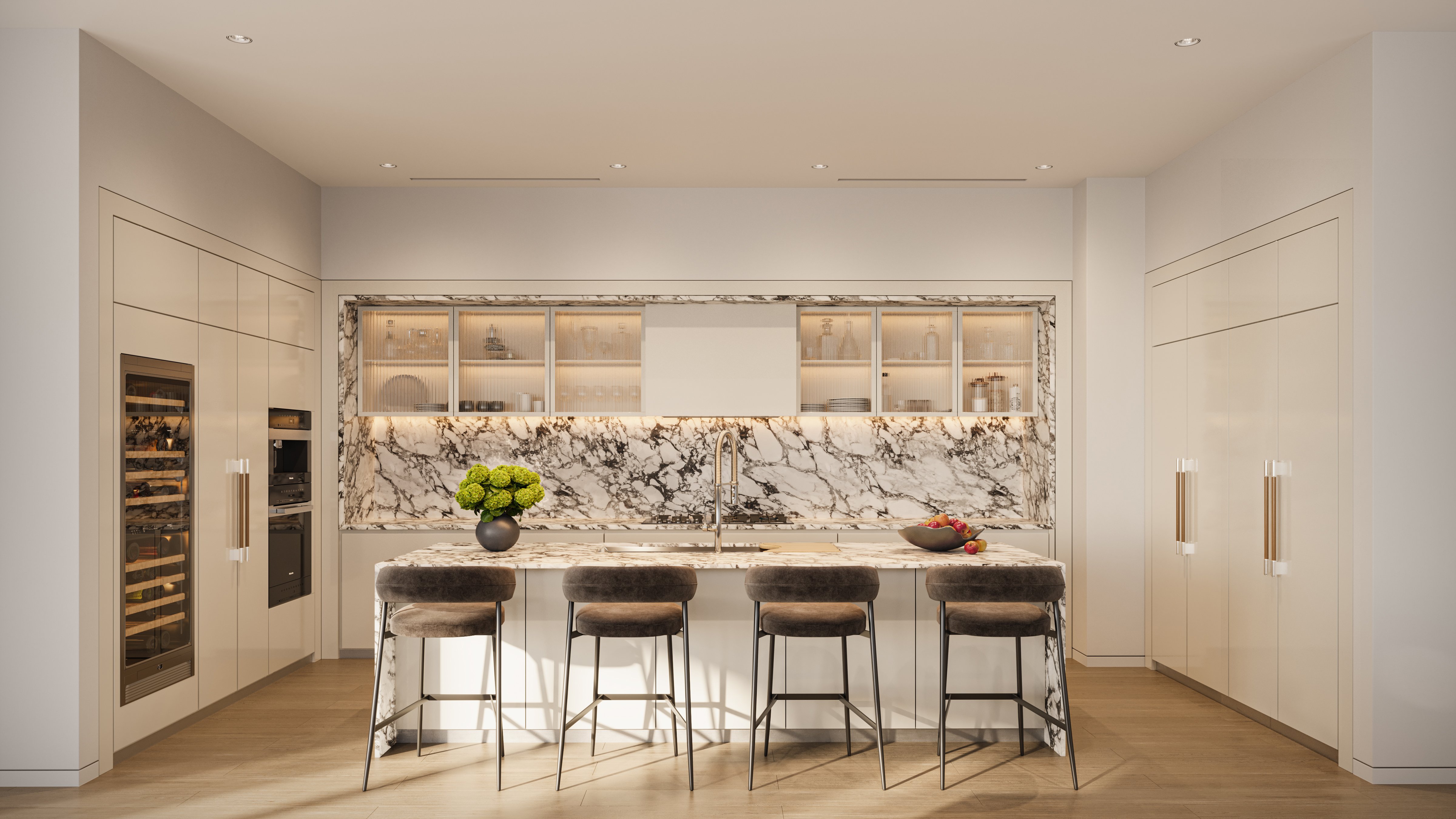
“When you walk into a kitchen and you see a Gaggenau appliance, you understand immediately the developer was committed to quality,” says Bazeli. “That sends an immediate signal to the buyer that they can trust the experience of living in this building.”
Secondarily, when developers include specific types of branded elements, usually hospitality or culinary brands, maintaining those specific experiences within the building becomes paramount. It’s not enough for a Michelin-star restaurant to be there on move-in day; that same experience has to be present years, or decades, later, or both the project and its brand partners could suffer reputation damage.
“The resale values could decline, or sales could not go well for remaining developer inventory,” says Bazeli. “That comes right back to the brand equity that the developer leveraged in the first place.”
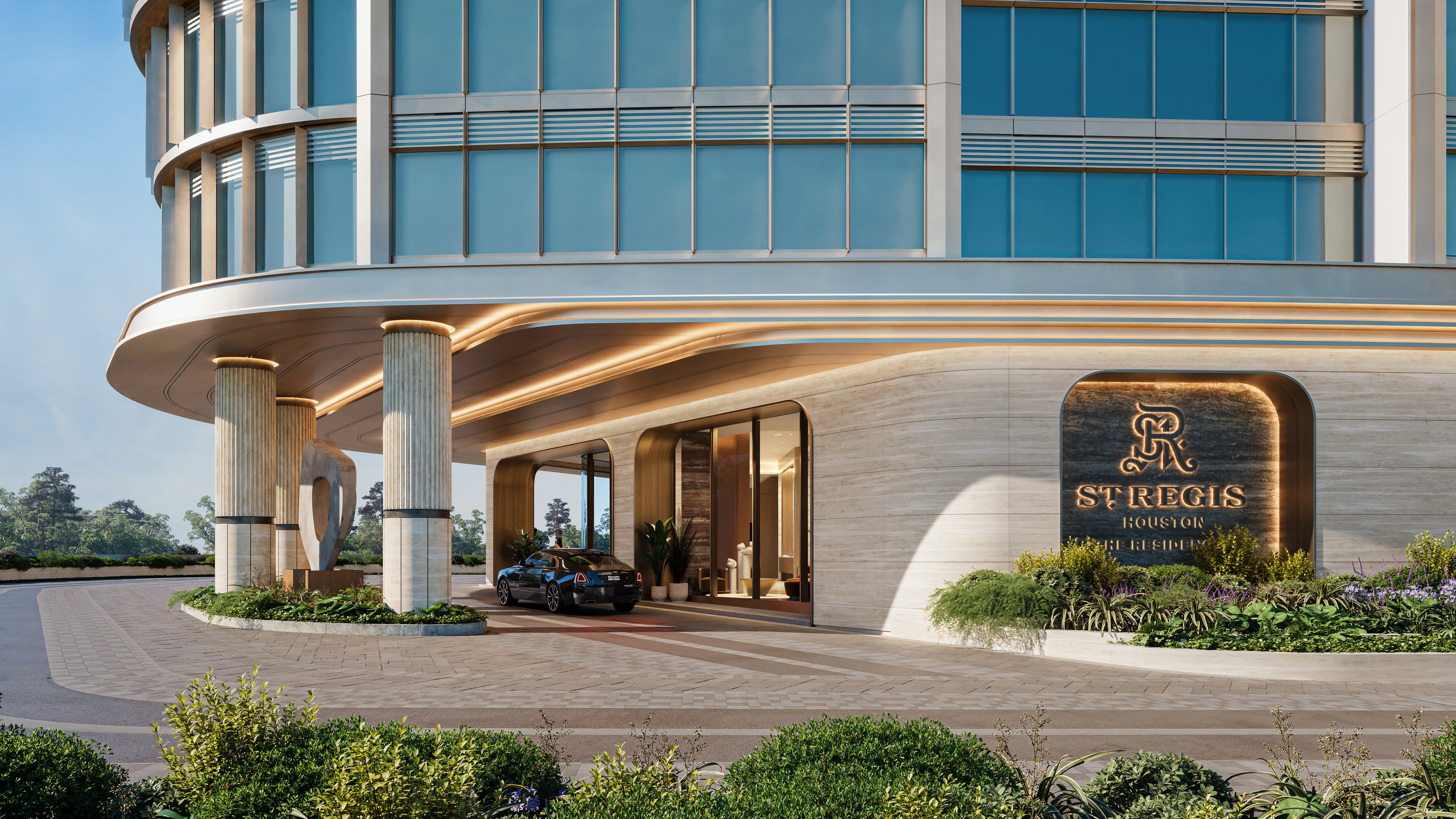
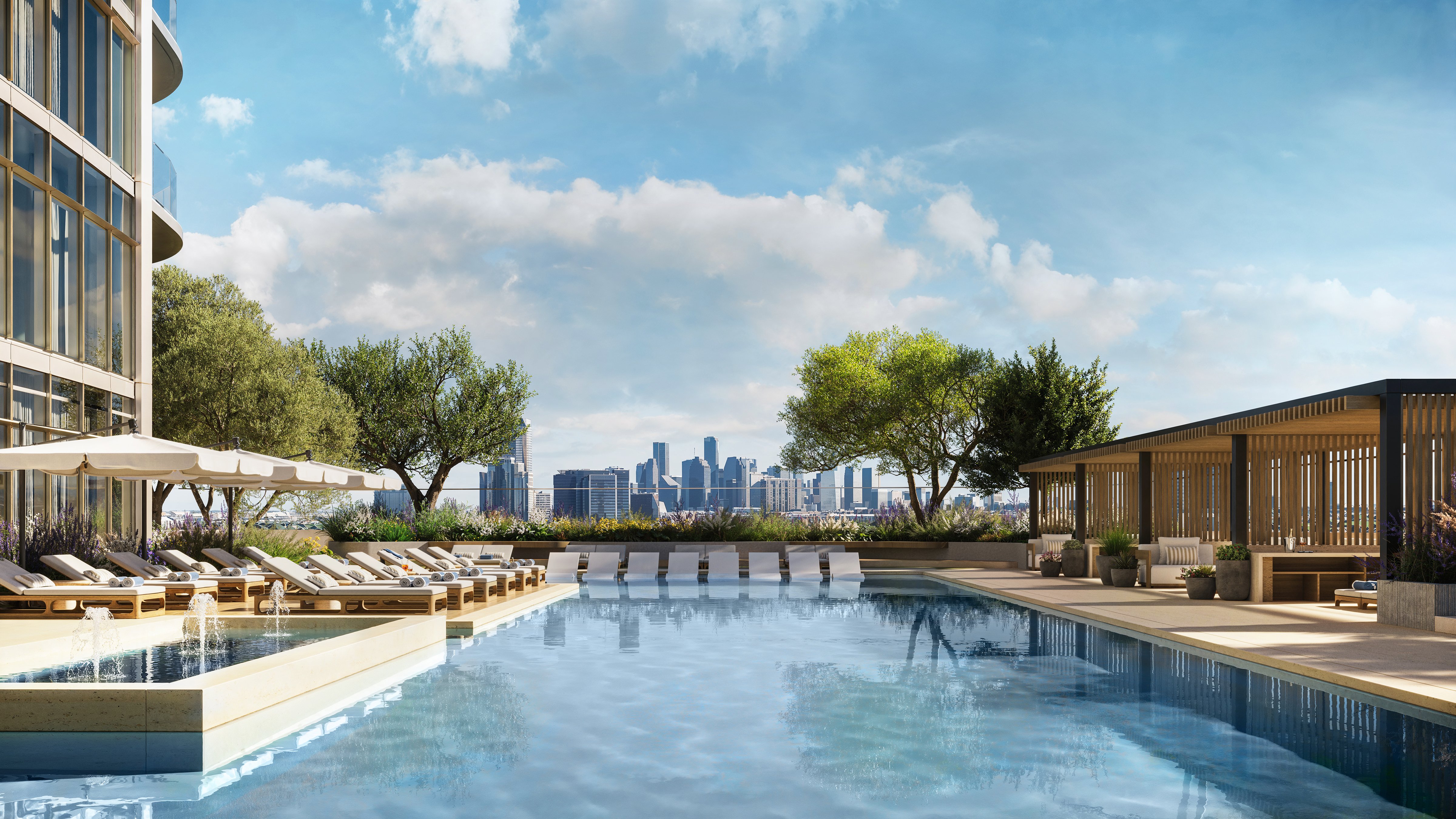
Case study: The St. Regis Residences, Houston
How does this decision-making process play out in practice? We asked Sunny Bathija, owner and developer of The St. Regis Residences, Houston, about his rationale for incorporating not only the iconic St. Regis brand but also Gaggenau appliances in the kitchens.
“We are introducing Houstonians to a transformative lifestyle with incomparable experiences created for connoisseurs of the art of living,” says Bathija. “The demand for this level of condominium in Houston continues to show the market is prime for a new paradigm of residential experience and the impeccable service of legendary hospitality that The St. Regis brand is known for.”
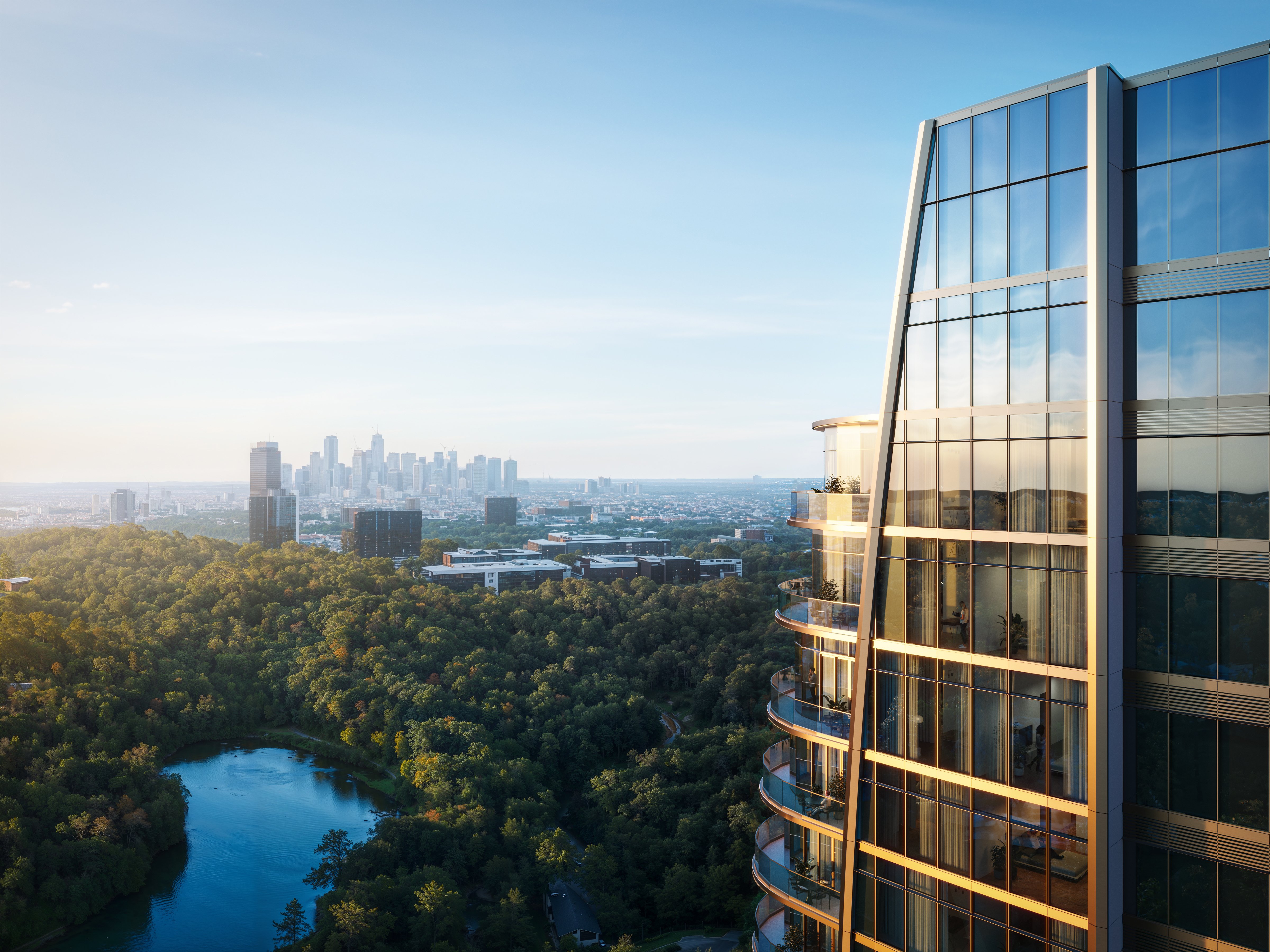
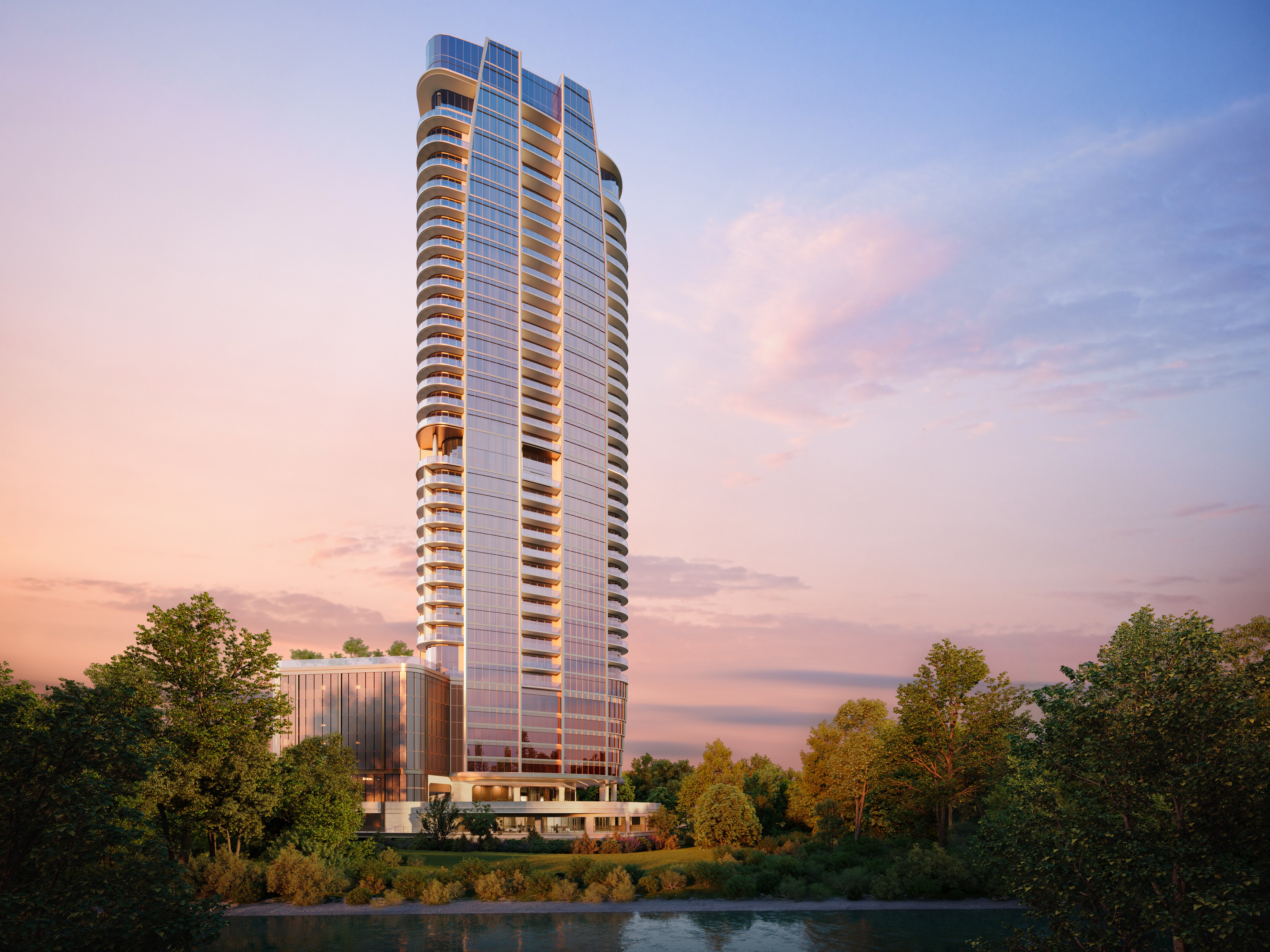
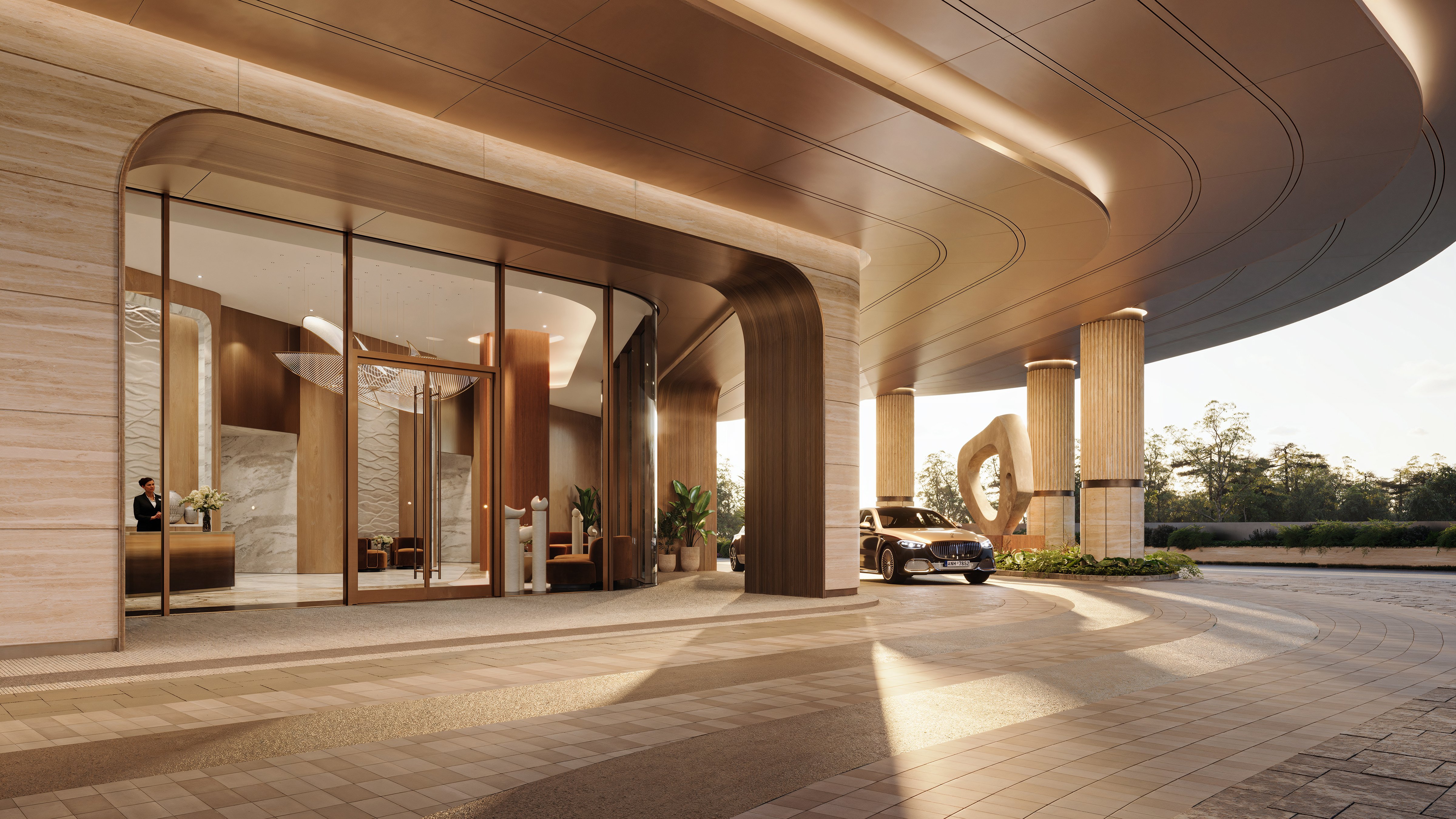
Gaggenau is a perfect companion within the “brand stack” for The St. Regis Residences, Houston. As Bazeli explains, buyers will see Gaggenau in the St. Regis kitchens and immediately understand Bathija’s vision for the lifestyle residents can expect to enjoy.
“Discerning buyers immediately recognize Gaggenau as the pinnacle of the category,” says Bazeli. “That instant recognition significantly elevates their perception of quality. Gaggenau is a heritage brand. It’s centuries old, deeply trusted and synonymous with craftmanship. Including a brand of that caliber sends a powerful signal about the level of excellence developers are delivering.”
One of the strengths of the BSH portfolio is that developers have three distinct brands to choose from, giving them a variety of brand expectations to cultivate within their potential buyer pools. Bazeli describes how, while Gaggenau is appropriate for the highest-end developments, Thermador appliances are at home in large estate-caliber homes with multiple kitchens indoors and out, while reliable, efficient Bosch appliances are perfect for luxury rentals.
“Branding decisions always begin with the inherent underlying real estate and the complexity of the development,” says Bazeli. “Each of the brands that BSH represents has a different personality, a different heritage, that allows developers to choose the brand that will help them deliver that value proposition to buyers.”
Enter the world of BSH via the TRD Appliance Hub.