



Healthcare and medical office buildings have long served as a niche investment play for those seeking stability over growth.
Now, as the landscape of the American workplace shifts and the wave of retiring Baby Boomers crests, what was once considered alternative is rapidly becoming essential. As traditional office spaces work through the long-tail effects of remote work trends, Nuveen Real Estate is leading a strategic pivot toward needs-based healthcare assets. Through its U.S. Cities Alternatives Strategy, the firm is repositioning the workplace concept, moving office allocations toward healthcare assets in resilient urban markets. We spoke with Bill Abramowitz, Portfolio Manager, healthcare and innovation backed alternatives at Nuveen Real Estate, about the trends driving demand and the resulting investment opportunities.
The demand driver
While many investors are just waking up to these market shifts, Nuveen Real Estate saw them coming.
“For years, healthcare and medical office investing was considered a bit of a niche market,” says Abramowitz. “In the last ten years, we’ve been on the leading edge of this, actively investing in medical outpatient buildings and senior living. We saw this demographic shift approaching, and we’ve found ways to capitalize on those growth drivers.”

The forces at play are undeniable. U.S. healthcare spending now represents over one-sixth of the national GDP. Driving this is a stark demographic reality: by 2040, the senior population is expected to grow by 68%.
For real estate investors, the math is simple but powerful: seniors spend three to four times more on healthcare than younger cohorts.
“A majority of that care is provided in medical outpatient settings,” says Abramowitz.
Simultaneously, the housing side of the equation is undergoing a revolution.
Baby Boomers are the wealthiest generation in history. As they transition out of family homes, they are looking beyond clinical institutions toward facilities with class A lifestyle amenities and services where they can replicate the lifestyle they currently enjoy.
Nuveen is capturing this demand by focusing on institutional-quality assets within resilient cities, prioritizing targeted areas that generate consistent income across market cycles.
“These senior living communities really rival any multifamily development you may see,” said Abramowitz. “They provide a community-based atmosphere that older adults are craving.”
Performance meets resilience
Perhaps the biggest misconception regarding medical outpatient buildings, or MOBs, is that they lack growth potential.
The data tells a different story.
Nuveen’s research highlights that MOBs delivered an 80.5% total return over the past decade, significantly outpacing the broader real estate index at 60.4%. This outperformance is rooted in these nature of the assets. Unlike a traditional office job, you cannot perform surgery or a physical therapy session over Zoom.

“Healthcare assets have a mission-critical element,” Abramowitz said. “You need to be in those spaces to perform the work. While traditional office has seen a drag due to remote work, these sectors are resilient to work from home and performed better historically, and we predict they will continue to do so.”
The physical requirements of MOBs also create a natural moat for investors. Specialized plumbing, electrical systems and biohazardous waste capabilities increase the value of the asset to owners. Tenants who invest heavily in the assets tend to renew leases at high rates.
The great decentralization
The industry is currently witnessing a fundamental shift in healthcare delivery away from massive hospital campuses toward localized, technology-enabled outpatient facilities.
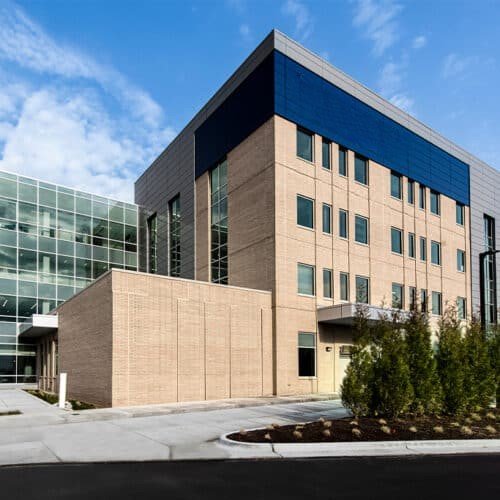
This disruption is creating entry points that did not exist five years ago.
“It’s less expensive and more efficient for healthcare systems to provide non-critical care, like cancer treatment or rehabilitation, outside of the main hospital,” said Abramowitz. “It’s easier for patients to access and generally less expensive for all parties involved. It’s a win-win.”
This “retailization” of healthcare means that local micro-market underwriting is more important than ever. Current estimates suggest the industry needs three to four times the current stock of senior living to keep pace with the coming demographic shift.
Nuveen strategically aligns its investments with the strongest healthcare systems in markets where demand far outpaces supply, specifically targeting modern environments where healthcare and innovation intersect to ensure long-term stability.
Local expertise, national scale
Navigating this specialized sector requires a balance of capital and boots on the ground. Nuveen manages $20 billion in healthcare assets, utilizing a specialized owner/operator approach to uncover value before it reaches the broader market.
“Being large isn’t an advantage unless you use that scale to drive value,” Abramowitz said. “We are organized by sector, meaning we have specialists for every asset class who work on these sectors every single day. But real estate is local. We’ve put people in the markets where we see growth to uncover value that competitors from other locations might miss.”
While rising interest rates have caused a temporary reset in pricing across commercial real estate, the underlying fundamentals of healthcare remain at record highs. Occupancy rates in the top 50 markets sit at approximately 93%, with demand exceeding supply for 17 consecutive quarters.

For investors looking to solve the office problem, this reset offers a favorable entry point. As construction starts have declined due to financing costs, inflation and labor challenges, the supply-demand imbalance is only set to tighten.
“When investors haven’t had experience with medical office, they think it’s boring,” said Abramowitz. “We’ve had quite the opposite experience. Through active management and buying at the right basis, we’re driving value and outperforming the market. It’s a great situation for us, and for our investors.’
Visit the Nuveen Real Estate website to learn more.