

Austin City Council is providing its stamp of approval for a significant redevelopment project that will bring two towers, each more than 400 feet tall, to a downtown block near the University of Texas campus.
The council voted last week to grant additional entitlements for the project on a full city block along West Martin Luther King Jr. Boulevard and West 18th Street. The Austin Business Journal reported that the approved entitlements allow for a maximum building height of 445 feet and increased floor-to-area ratios through the city’s Downtown Density Bonus Program.
Austin-based Rundog Real Estate Group is spearheading the development, which is slated for a block bounded by Rio Grande and Nueces streets.
The project’s 37-story north tower is designed to include a 287-room hotel, 61 condominium units and about 5,000 square feet of retail space. Plans for the 34-story south tower include 318 apartments and an additional 5,000 square feet of retail frontage.
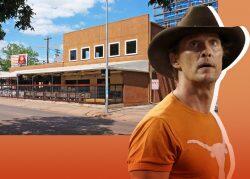
The site currently houses several low-rise structures, including a Jack Brown Cleaners, a Jimmy John’s and the original Tiff’s Treats site. Property owner Scott Sayers, who has held land on the block since 1985, expressed support for the project during the council meeting.
Sayers characterized the redevelopment as a natural progression of the city’s growth strategy in the downtown and university areas. The council’s decision to approve the 445-foot height limit came despite a recommendation from city staff to cap the project at 200 feet.
Staff members noted that the proposed height exceeds the 300-foot maximum allowed in the adjacent University Neighborhood Overlay district, but council members argued that the city must prioritize density to bolster its tax base and support municipal services.
“Big buildings like the one being proposed, not only do they pay big density bonus fees to the city, they also write big property tax checks,” council member Jose “Chito” Vela said during the meeting. Vela added that such projects are critical for sustaining public safety, libraries and parks, as the city faces future financial challenges.
Beyond tax revenue, the redevelopment is expected to contribute $3.3 million toward Austin’s affordable housing initiatives, according to the publication.
However, the project faced opposition from the University of Texas, University Area Partners and the Judges Hill Neighborhood Association. These groups cited concerns regarding the towers’ height and potential environmental issues related to chemicals used at the existing dry cleaning facility, according to the outlet.
Leah Bojo of the Drenner Group previously indicated the project faced a contract deadline of March 31 to secure the necessary entitlements, though a specific construction timeline has not been disclosed.
— Eric Weilbacher
Read more

Development
Austin
Towers near UT, mixed-use hub in St. Elmo push Austin’s growth at both ends

Development
Austin
What’s next? Two Downtown Austin redevelopment sites near I-35 fuel speculation
Development
Austin
Developers eye famed UT-Austin bar for student housing high-rise

Development
Austin
UT Austin plans $205M “Engineering Discovery” building